Top 5 Benefits of Using Spray Foam Insulation for Energy Efficiency
Top 5 Benefits of Using Spray Foam Insulation for Energy Efficiency
If you've lived through a Wisconsin winter in a home with old insulation, you already know the feeling. The furnace runs all the time, some rooms never really warm up, and the heating bill shows up like a punishment. For homeowners across Fennimore and theDriftless Region, this usually comes down to one problem: air leaks. Fiberglass batts slow down heat loss, but they don't stop air from moving through gaps, seams, and small openings in the wall. Spray foam does both jobs at once. That's why more homeowners are choosing it when they want to cut energy waste for good.
If you're not sure whether your own home is losing energy this way, it helps to first look at thecommon signs your home needs spray foam insulation. Once you've confirmed the problem, here are the five biggest reasons spray foam beats traditional materials when it comes to comfort, efficiency, and long-term savings.
The Core Efficiency Advantages of Spray Foam
Spray foam isn't just "thicker insulation." It changes the way a home manages air and moisture at a basic, structural level. That's part ofwhy spray foam insulation outperforms traditional options, and it's why homeowners often notice a difference soon after it's installed.
1. Better Air Sealing, Not Just Insulation
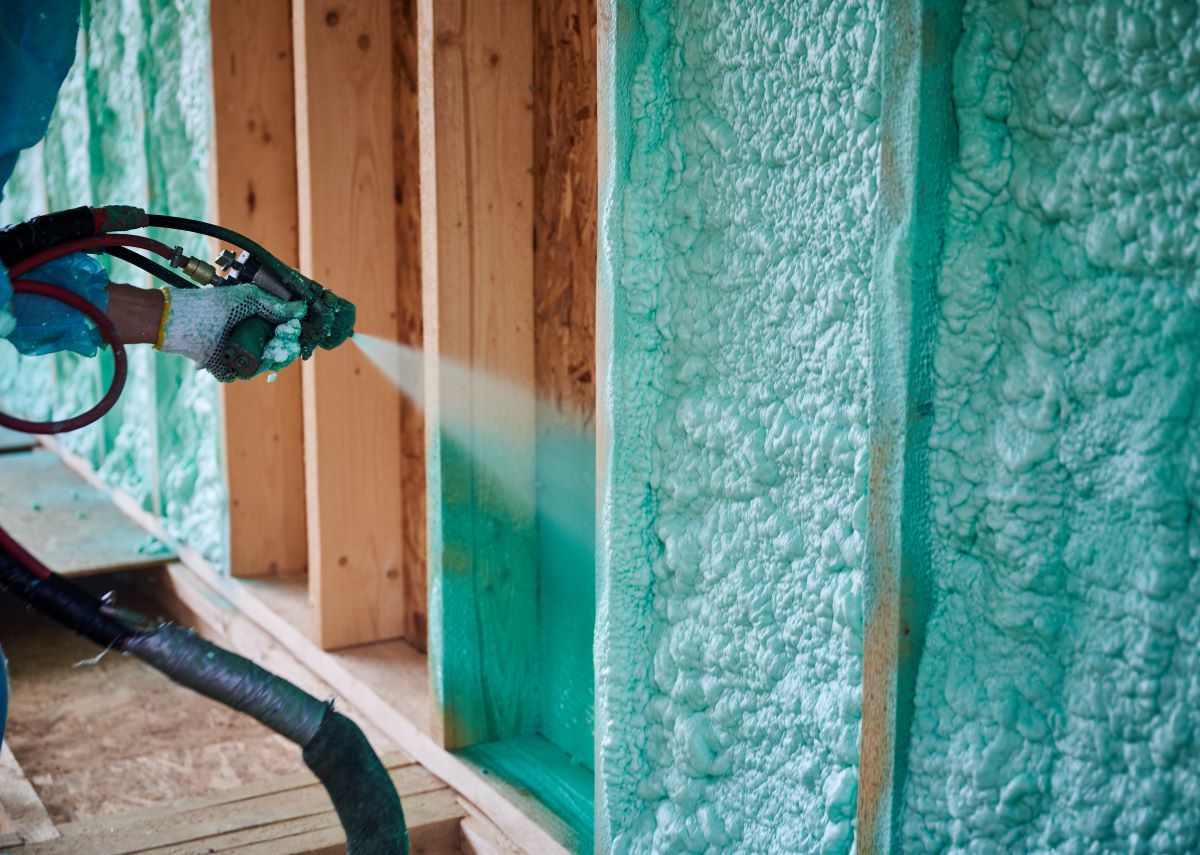
Fiberglass and blown-in insulation slow down heat transfer, but they still leave small gaps around wiring, plumbing, and framing where air can escape. Spray foam expands as it's applied and fills those gaps completely. This creates one continuous air barrier across walls, attics, and rim joists.
This matters because air leaks, not just weak insulation, cause a large share of energy loss in homes. A house that's properly sealed with spray foam holds onto heated or cooled air much longer. That means your furnace and air conditioner don't have to work as hard just to keep the temperature steady.
2. Higher R-Value Per Inch
Closed cell spray foam has an R-value of about R-6 to R-7 per inch. Standard fiberglass batts only reach R-3 to R-3.5 per inch. That means spray foam gives you much better insulation without needing extra depth in the wall. This is especially useful in older homes, where wall cavities are already narrow. You candiscover more benefits of closed cell spray foam here.
Open cell foam has a lower R-value per inch than closed cell, but it still beats fiberglass at sealing air. It's also a more affordable option for larger spaces like attics, where sealing and sound reduction matter more than moisture resistance. If you're weighing the two, this breakdown ofopen cell vs closed cell spray foamwalks through which one fits which situation.
3. Less Strain on Your HVAC System
When a home is properly sealed and insulated, the heating and cooling system doesn't have to fight against outside air constantly leaking in. That means shorter, less frequent furnace and AC cycles. Over time, this leads to lower monthly utility bills and less wear on expensive HVAC equipment.
Homeowners who switch to spray foam often notice this in the very first heating season. Rooms that used to feel drafty or uneven start holding a steady temperature, and the furnace simply doesn't need to run as often. One local homeowner saw this firsthand, and you can readhow they cut their energy bills by 47% with spray foam.
4. Moisture Control That Protects Your Efficiency Over Time
Traditional insulation can soak up and hold moisture. This creates a mold risk, but it also weakens the insulation itself. A wet fiberglass batt loses much of its insulating value. Closed cell spray foam resists moisture well and can even add some structural strength to the area it's applied to. Open cell foam handles moisture better than exposed fiberglass too, though not as well as closed cell.
This matters for long-term efficiency because insulation that breaks down from moisture stops doing its job the way it did on day one. It also affects the air you breathe indoors, which is covered in more depth in this piece onhow spray foam insulation transforms indoor health.
5. Long-Term Durability Means Long-Term Savings
Spray foam doesn't sag, settle, or compress the way fiberglass can over the years. Once it's applied and cured, it stays exactly where it is, keeping consistent coverage and performance for decades. That means homeowners don't have to pay to re-insulate or patch settled spots down the road. The energy savings you get on day one carry forward for the life of the home instead of slowly fading away.
For pole barns and metal agricultural buildings, this same durability holds up well against the freeze-thaw cycles common in Southern Wisconsin. You can see this in practice inthe benefits of using spray foam insulation in metal buildings, where it protects equipment and stored goods without breaking down season after season.
What This Means for Your Home
Put together, these five benefits explain why spray foam consistently performs better on real energy bills, not just on paper. Homeowners who make the switch aren't just adding another layer of material to their walls. They're closing the exact gaps that were quietly letting heated and cooled air escape all along.
If you're weighing your options, it helps to understand both types of foam before deciding, and to work with someone who installs it correctly. This guide onhow to find a trusted local spray foam contractor in Southwest Wisconsinis a good next step before you book an install.
Quick Recap: Why Spray Foam Wins on Efficiency
Air sealingstops the leaks fiberglass simply can't reach
Higher R-value per inchmeans better performance without extra bulk
Less HVAC strainlowers your monthly utility costs
Moisture resistanceprotects your investment for the long haul
Durabilitymeans the efficiency gains don't fade with time
If your Wisconsin, Illinois, or Iowa home has drafts, high heating bills, or rooms that never feel quite right, spray foam insulation fixes the root cause instead of just adding another layer on top of the problem.Explore Driftless Foam's spray foam insulation servicesto find out which option, closed cell or open cell, is the right fit for your home.
