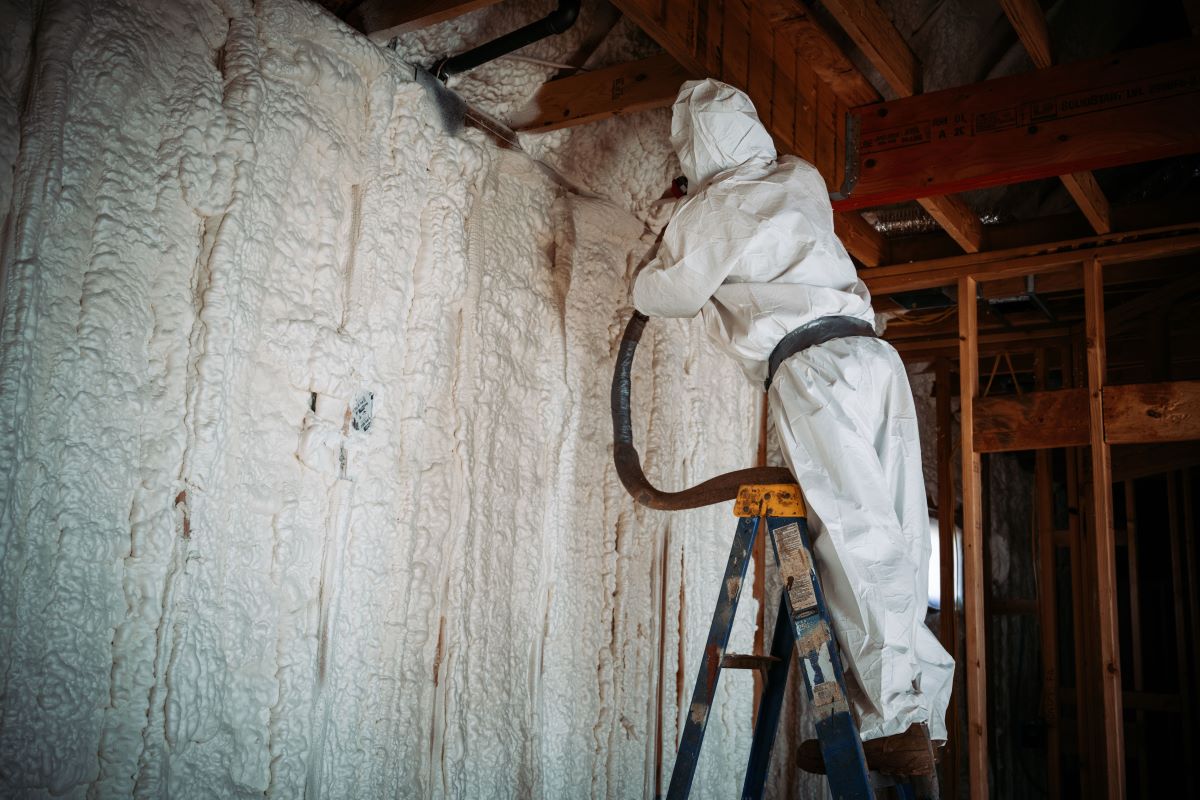
Spray Foam Insulation in the Driftless Region | Energy-Efficient Insulation Solutions
The Driftless Region isn't like the rest of the Midwest. Stretching across Southwest Wisconsin, Northeast Iowa, Southern Minnesota, and parts of Northern Illinois, this area was never flattened by glaciers the way its surrounding states were.
That means steep hills, deep valleys, and a landscape that traps cold air and holds onto humidity longer than flatter terrain nearby. For homeowners, farmers, and business owners here, that translates into a very specific insulation problem: cold, damp winters paired with older housing stock and agricultural buildings that were never built with modern energy efficiency in mind.
If you own a home, a pole barn, or a commercial building anywhere in this region, from Fennimore to La Crosse to Platteville, you've probably noticed the pattern. Heating bills climb every winter. Certain rooms or areas never quite warm up. Buildings show signs of moisture damage that fiberglass or blown-in insulation never seemed to fix. Spray foam insulation solves these problems in a way that traditional materials simply can't, because it seals air leaks and insulates at the same time.
This guide walks through how spray foam works for the three main types of properties across the Driftless Region: residential homes, agricultural and pole barn buildings, and commercial spaces. It also covers what to look for in a quality installation, how to choose between closed-cell and open-cell foam, and the questions you should ask before hiring anyone to do the work.
What to Expect From This Guide
This is meant to be a starting point, not the final word on every detail. Each section below covers the basics for a specific type of property and points you toward more detailed articles if you want to go deeper on a particular topic, likechoosing between open cell and closed cell spray foamorspotting the signs your home needs spray foam insulationin the first place. By the end, you should have a clear sense of which type of foam and which approach fits your property.
Residential Spray Foam: Solving the Draft and Bill Problem
Most homes in this region, especially older farmhouses and homes built before modern energy codes, were never sealed properly. Fiberglass batts were the standard for decades, and while they slow down heat transfer, they don't stop air from moving through gaps around wiring, plumbing, and framing. That's the exact problem spray foam was designed to fix.
When applied to attics, rim joists, and wall cavities, spray foam expands to fill every gap, creating a continuous air barrier that fiberglass can't match. Closed-cell spray foam offers around R-6 to R-7 per inch, more than double what fiberglass batts provide per inch, which matters in older homes where wall cavities are often narrow. Open-cell foam has a lower R-value per inch but still seals air far better than fiberglass, and it's a more budget-friendly choice for larger open spaces like attics.
The result for homeowners is usually noticeable within the first heating season. Rooms that used to feel drafty hold a steady temperature, and the furnace doesn't need to run constantly just to keep up. You can see a real example of this inhow one Driftless Region homeowner cut their energy bills by 47% after switching to spray foam. It's also worth reviewing the full breakdown of thetop 5 benefits of spray foam insulation for energy efficiencyif you want the complete picture before deciding.
Agricultural and Pole Barn Insulation: Protecting What's Inside
Pole barns and agricultural buildings face a different set of problems than homes. These structures are often metal-sided, which means they're especially exposed to temperature swings and condensation. In the Driftless Region, where freeze-thaw cycles are common through the winter and into early spring, that condensation can damage equipment, harm stored feed or grain, and create unhealthy conditions for livestock.
Spray foam is uniquely suited to this application because it adheres directly to the metal, sealing out moisture while also insulating against temperature extremes. Unlike fiberglass, which can sag or become useless once wet, spray foam holds its shape and its insulating properties even in a humid barn environment. This is one of the reasons it has become the standard choice for pole barn owners across the region who need to protect equipment, control humidity, or keep livestock comfortable through Wisconsin winters.
For a closer look at how this plays out in real agricultural settings, the article onthe benefits of using spray foam insulation in metal buildingscovers the specifics in more detail, including how it holds up against the freeze-thaw cycles that are common in this part of the country.
Commercial Spray Foam: Efficiency at a Larger Scale
Commercial buildings, whether it's a warehouse, a light industrial space, or a retail storefront, deal with the same core problem as homes and barns, just at a larger scale. Poor insulation means higher utility bills, and in a commercial setting those costs add up fast across a bigger footprint.
Spray foam works the same way here as it does in residential applications: it seals air leaks and adds R-value in one step, reducing the load on HVAC systems that would otherwise have to fight constant air infiltration. For commercial property owners in the Driftless Region, this often means lower operating costs and a more comfortable environment for employees or customers, without needing a full HVAC system upgrade to get there.
Because commercial projects tend to be larger in scale and more complex to schedule, it's especially important to work with an installer who has direct experience with commercial-grade applications, not just residential attics and crawl spaces.
What to Look for in a Quality Installation
Not all spray foam installations are equal, and the quality of the application matters just as much as the material itself. A few things separate a good installation from a poor one:
Even, consistent coverage.Spray foam should be applied at a uniform thickness across the entire surface. Thin spots or gaps defeat the purpose of the air barrier.
Proper curing conditions.Spray foam needs the right temperature and humidity to cure correctly. An experienced installer will know how to manage this, especially during Wisconsin's colder months.
Correct foam type for the application.Closed-cell isn't always the right choice for every space, and neither is open-cell. A quality installer will recommend the right type based on the specific area, whether that's a damp basement, an open attic, or a metal pole barn.
No overspray or safety shortcuts.Spray foam involves chemical components that require proper ventilation and protective equipment during application. A professional crew follows safety protocols that protect both the property and the people doing the work.
Choosing Between Closed-Cell and Open-Cell Spray Foam
One of the most common questions homeowners and property owners ask is which type of foam they actually need. The short answer depends on the space and the goal.
Closed-cell spray foamis denser, offers a higher R-value per inch (R-6 to R-7), and resists moisture well. It's the better choice for areas exposed to dampness, like basements, crawl spaces, and metal agricultural buildings, and it also adds some structural rigidity to the area it's applied to.
Open-cell spray foamis less dense, offers a lower R-value per inch, but is more affordable and better suited to large, open interior spaces like attics where sound dampening and air sealing matter more than moisture resistance.
For a full side-by-side comparison, including cost differences and which rooms or buildings each type works best in, the guide onopen cell vs closed cell spray foambreaks down the decision in more depth than this overview can cover.
Key Questions to Ask Before Hiring an Installer
Before committing to a spray foam project, whether it's a home, a barn, or a commercial building, it helps to ask a few direct questions:
How many years of experience does your crew have with this specific type of building (residential, agricultural, or commercial)?
Which type of foam do you recommend for this space, and why?
What is included in your quote, and are there any conditions that could change the final price?
Do you carry proper licensing and insurance for spray foam work in Wisconsin?
Can you provide references or examples of similar projects in the Driftless Region?
If you're not sure how to vet a contractor beyond these basics, the guide onhow to find a trusted local spray foam contractor in Southwest Wisconsinwalks through the full vetting process step by step.
Final Recommendations by Property Type
For homeowners: Start with an attic and rim joist assessment, since these are usually the biggest sources of air leakage in older homes. Closed-cell is worth the investment in damp areas like basements and crawl spaces, while open-cell is often the more practical choice for large attic spaces.
For pole barn and agricultural building owners: Closed-cell spray foam is generally the better fit here, given the moisture and temperature swings these buildings face. Prioritize an installer with direct pole barn or metal building experience.
For commercial property owners: Get a quote that accounts for the full scale of your space, and confirm the installer has handled projects of similar size before. The upfront cost is higher than smaller residential jobs, but the long-term utility savings tend to scale with the size of the building.
Serving the Driftless Region and Beyond
Driftless Foam installs spray foam insulation across Southwest Wisconsin, Northeast Iowa, and Southern Minnesota, including communities likeLa CrosseandPlatteville, along with the surrounding towns throughout the region. Whether you're dealing with a drafty farmhouse, a metal pole barn that never stays dry, or a commercial space with climbing utility bills, spray foam offers a solution built around how this region's climate actually behaves, not a generic national approach.
If you're ready to find out which type of foam fits your property,explore Driftless Foam's spray foam insulation servicesand request a free quote for your home, farm, or commercial building.
