How One Homeowner Cut Energy Bills by 47% With Spray Foam
The breaking point usually comes at the kitchen table.
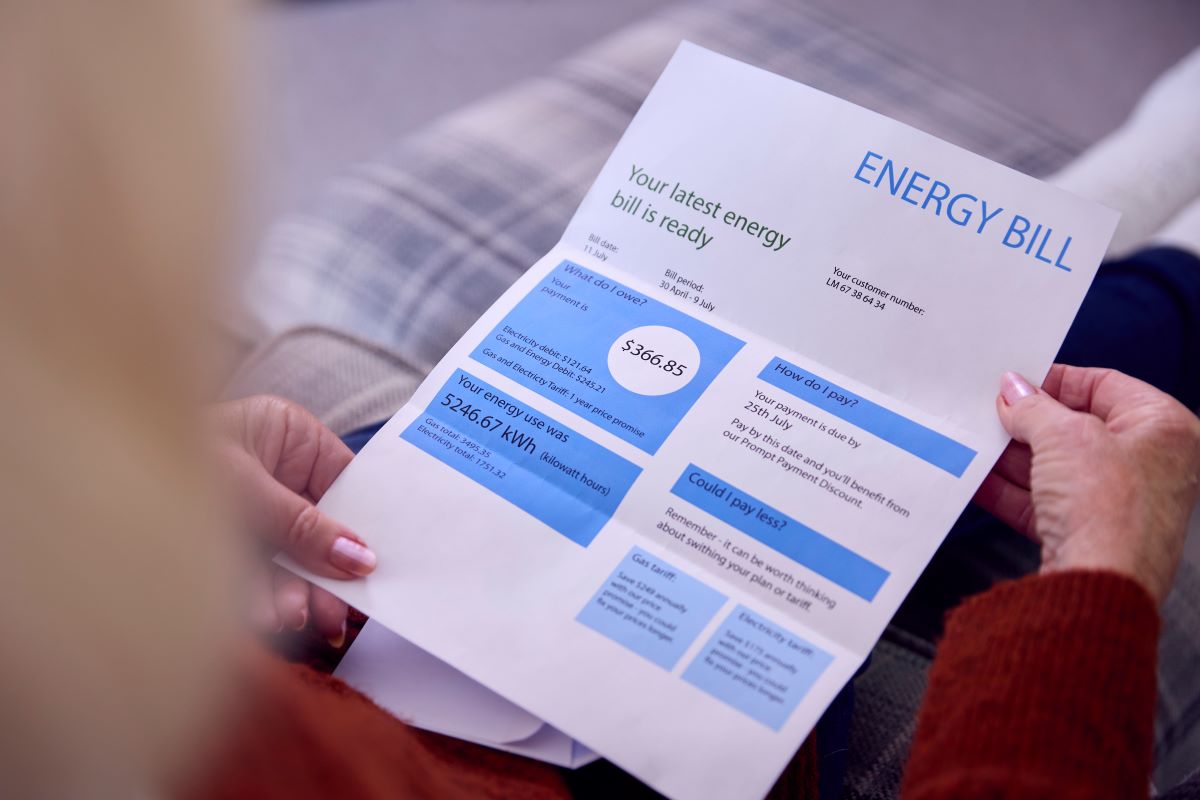
A homeowner sits down with an energy bill that doesn't make sense. The number is higher than expected. Nothing about their routine has changed. The heater runs constantly, but the house never quite feels comfortable.
That's the moment it clicks: they're paying more but getting less. A small annoyance has turned into money slipping through the cracks of their own home.
Here's what a project like this typically looks like, from the first walkthrough to the six-month results, and what it can realistically save a homeowner in a similar situation.

What Hidden Air Leaks Look Like
When homeowners call us frustrated about high energy bills, we look for one thing in particular during the assessment: uncontrolled air movement.
Even well-built homes can quietly lose conditioned air through small gaps in the attic, around rim joists, or along wall penetrations. Over time those leaks add up. Heat escapes in winter. Hot air creeps in during summer. The heating and cooling system works harder without ever delivering real comfort.
The issue is rarely obvious, like a big hole or visible damage. Instead, homeowners live with signs they've gotten used to without connecting them to the cause:
Certain rooms that always feel off
Dust building up faster than it should
Noticeable temperature swings between floors
The system running almost constantly
In a home with settled or gapped insulation around the attic and rim joists, the severity often becomes clear once you actually get into those spaces. Old insulation has pulled away from framing. Gaps surround wiring and vents. Sections let outside air move freely in and out with no resistance at all.
The heating and cooling system ends up compensating for years, quietly driving up costs while masking how bad the leakage really is.
Treating the Home as a System, Not a List of Trouble Spots
Once installation starts, it's common to find more than the initial assessment showed. Air isn't just leaking out in isolated spots, it's often moving freely between spaces in ways that feed the same problem from multiple directions.
That's why we don't just seal the obvious gaps. We treat the home as a connected system: layering spray foam in stages to block hidden air pathways, and checking how each section connects to the next. Fixing one area without understanding where air is actually traveling often just shifts the problem somewhere else instead of solving it.
We used to describe insulation as something that sits in an attic or wall cavity. We explain it now as part of a system that controls how air, temperature, and moisture move through the entire home, not a material you install once and stop thinking about.
What Changes in the First 30 Days
Homeowners usually notice the change in how the house feels before they notice it in a bill.
Within the first few days, rooms that used to have a persistent draft stop feeling that way. Temperature evens out between spaces that used to run noticeably colder or hotter. The system doesn't kick on as often or run as long, and that difference is usually audible and felt day to day, well before the next billing cycle even arrives.
By the time the first full billing cycle comes around, the lower cost mostly confirms what a homeowner has already been feeling for weeks.
The Data Behind the Number
Department of Energy guidanceputs air leaks at 25 to 40 percent of the energy used for heating and cooling in a typical home.Energy Star's modelingestimates that combining air sealing with added insulation saves homeowners an average of 15 percent on heating and cooling costs across typical U.S. homes.
Homes that start out especially leaky, with settled insulation, exposed rim joists, and long-neglected gaps, tend to see savings well above that average once the full envelope gets sealed. Reductions in the 20 to 40 percent range are commonly reported by insulation contractors for full retrofits, and a home with the kind of severe, longstanding air leakage described above can land at the high end of that range, sometimes higher, once every pathway gets addressed rather than just the obvious ones.
The pattern that matters most isn't just the total percentage. It's consistency: bills that don't spike during the coldest weeks the way they used to, a furnace that stops cycling constantly, and summer cooling costs that drop along with winter heating costs, since the same air sealing works in both directions.
The Unexpected Benefit: A Quieter House
Beyond lower bills and steadier comfort, homeowners often mention something that catches us off guard: how much quieter the house feels. Outside traffic, the hum of the HVAC system, everyday sounds from neighbors, all of it tends to feel less intrusive.
It's worth explaining accurately why that happens, since it's easy to overstate. Lab testing on insulation materials themselves doesn't show spray foam dramatically outperforming fiberglass on raw sound absorption, andindustry acoustic testing compiled by the Gypsum Associationhas found closed-cell spray foam can actually score lower on Sound Transmission Class than fiberglass in the same wall assembly.
What spray foam does provide, that fiberglass generally can't, is complete air sealing. Sound travels through the same small gaps that let air leak around outlets, top plates, and framing penetrations. Because spray foam expands to fill those gaps entirely, it closes the flanking paths that let sound bypass a wall assembly altogether. That's the real mechanism behind the quieter house homeowners describe: it's what the sealing does to airflow, not the foam acting as a superior sound-absorbing material on its own.
The Real ROI: More Than Just Payback Period
When we break down ROI with homeowners, we frame it as an investment in everyday quality of life, not just dollars saved.
Payback on the upfront cost difference commonly falls in the three-to-six-year range, depending on home size, location, and starting energy use. But the value compounds over time:
Lower energy bills, month after month
Reduced wear on the HVAC system, often adding years to its working life
Steadier comfort in every room instead of a few well-insulated ones
A quieter, calmer indoor environment
The house runs more efficiently, stays more comfortable, and the system doesn't have to strain to make up for a leaky envelope. That's a different way to think about the cost than a simple dollars-in, dollars-out calculation.
What We'd Tell Homeowners Before They Start
If we could sit down with a homeowner before a project like this starts, there's one thing worth saying up front: this isn't just about lowering energy bills. It's about how the home feels to actually live in, day to day.
Most people think of insulation as invisible or purely technical. But it affects comfort, air quality, noise levels, and how hard the HVAC system has to work. Every draft, every uneven room, every hour the system runs longer than it should, a thorough air-sealing and insulation project addresses all of it together instead of one symptom at a time.
Critical Lessons for Other Homeowners
A few things are worth understanding before picking up the phone:
What you feel about your home's comfort is only part of the story.Hidden air pathways, settled insulation, and small gaps quietly drain energy and undermine comfort without being obvious. A thorough assessment looks at how the whole home functions as a system, not just where the visible problems are.
The benefits go beyond dollars saved.Quieter rooms, more consistent temperatures, and better air quality all show up alongside the lower bill.
Partial fixes rarely deliver full results.Sealing one obvious gap without addressing how air moves through the rest of the home usually just relocates the problem.Combining proper air sealing with the right insulation type for each spaceis what actually closes the gap between a home's rated efficiency and how it performs in practice.
The Bottom Line
The frustration and high bills that come with a leaky, under-insulated home aren't inevitable, and they're rarely a sign of doing something wrong. Most homes quietly lose energy in ways that aren't visible day to day.
The real turning point comes from treating the home as a complete system instead of patching individual symptoms: sealing the gaps, choosingthe right foam type for each space, and following through on every pathway air can travel through, not just the obvious ones.
If your energy bills don't add up to how your home actually feels, or you want to knowwhere a home like yours typically loses the most energy,Driftless Foam can walk through a free assessmentand show you exactly where the gaps are.
