Driftless Foam

Discover the Benefits of Closed Cell Spray Foam Today

April 23, 20269 min read

Closed Cell Spray Foam Insulation: Benefits, Costs, and Installation Insights for Energy-Efficient Homes

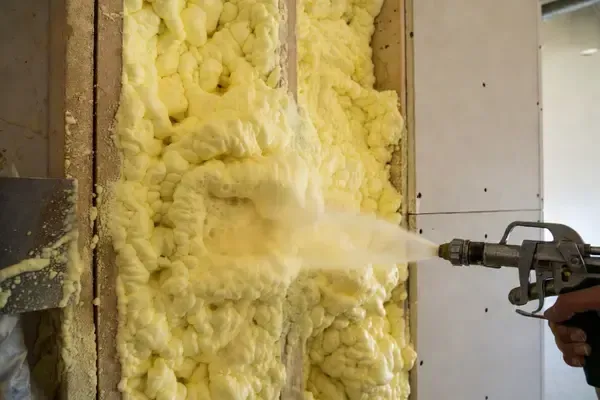
Contractor applying closed cell spray foam insulation in a home, showcasing energy efficiency

Closed cell spray foam insulation is a highly effective solution for enhancing energy efficiency in homes. This type of insulation works by creating a solid barrier that seals gaps and cracks, preventing air leaks and moisture intrusion. Homeowners, contractors, and business owners are increasingly turning to closed cell spray foam for its superior R-value and durability compared to traditional insulation materials. In this article, we will explore the benefits of closed cell spray foam insulation, its cost considerations, and insights into the installation process. Additionally, we will discuss how this insulation contributes to energy-efficient homes, making it a valuable investment for property owners.

Research further emphasizes the scientific basis behind the effectiveness and longevity of closed cell spray foam.

Closed Cell SPF: Quality, Durability & Thermal Insulation Polyurethane foams are currently the most effective thermal insulation materials, polyisocyanurates have low combustibility. Predicting the number of closed cells forming a gas-filled matrix in the finished polymer is necessary to improve the quality and durability of rigid sprayed polyurethane foam (SPF) and also be able to determine their quantity in finished coatings using standardized techniques. Methods for determining the number of closed cells in rigid sprayed polyurethane foam, O Ogidan, 2018

Benefits:

Cozy home interior showcasing the benefits of closed cell spray foam insulation with a family enjoying their space

Closed cell spray foam insulation offers numerous advantages that make it a preferred choice for many homeowners and contractors.

  1. Superior Air Sealing: The foam expands upon application, filling gaps and creating an airtight seal that significantly reduces air leakage.

  2. High R-Value: Closed cell spray foam has a higher R-value per inch compared to other insulation types, providing better thermal resistance.

  3. Moisture Resistance: This insulation acts as a moisture barrier, preventing mold growth and water damage.

  4. Structural Strength: The rigid nature of closed cell foam adds structural integrity to walls and roofs, enhancing the overall strength of the building.

  5. Long-Lasting Performance: With proper installation, closed cell spray foam can last for decades without losing its effectiveness.

Driftless Foam specializes in closed cell spray foam insulation solutions, providing high-quality products that improve energy efficiency and structural integrity for homeowners, contractors, and business owners in Wisconsin, Illinois, and Iowa.

Costs:

When considering closed cell spray foam insulation, it's essential to understand the cost factors involved.

  • General Cost Range: The price for closed cell spray foam insulation typically ranges from $1.50 to $3.00 per board foot, depending on the thickness and application area.

  • Long-Term Savings: While the initial investment may be higher than traditional insulation, homeowners can expect significant savings on energy bills over time due to improved energy efficiency.

  • Factors Affecting Installation Costs: Installation costs can vary based on the size of the area being insulated, the complexity of the job, and the contractor's experience.

Understanding these cost considerations can help homeowners make informed decisions about their insulation options.

Installation Insights:

Professional contractor installing closed cell spray foam insulation in an attic, demonstrating precision and safety

The installation of closed cell spray foam insulation requires professional expertise to ensure optimal performance and safety.

  • Importance of Professional Installation: Proper installation is crucial for achieving the desired energy efficiency and moisture resistance. Professionals are trained to apply the foam correctly, ensuring a complete seal.

  • Precision Application Techniques: The application process involves using specialized equipment to spray the foam into the desired areas, allowing it to expand and fill gaps effectively.

  • Immediate Benefits Post-Installation: Homeowners often notice an immediate improvement in comfort levels and a reduction in energy costs shortly after installation.

Energy-Efficient Homes:

  • Reduction of Energy Waste: By sealing air leaks, closed cell foam minimizes the amount of conditioned air that escapes, leading to lower energy consumption.

  • Improvement of Indoor Air Quality: The moisture barrier properties help prevent mold and mildew, contributing to healthier indoor air quality.

  • Strengthening of Building Envelope: The insulation enhances the overall integrity of the building envelope, making homes more resilient to environmental factors.

Further studies confirm that spray foam materials are highly effective in insulating, sealing, and controlling moisture to improve a home's thermal envelope.

Spray Foam for Home Energy Savings & Moisture Control Heating and cooling the house is one of the homeowners major expenses. Reducing these costs, saving energy, and creating a healthier, more comfortable indoor environment are good reasons to consider improving the building thermal envelope. Improvements usually consider increasing the amount of insulation, reducing the infiltration of outside air, and controlling moisture in existing buildings. This report describes the use of spray foam materials to insulate, seal, and control moisture. Spray Foam in Accessible Spaces: Best Practices and Case Studies for Retrofit in Mixed-Humid Climates, 2011

What Are the Key Benefits of Closed Cell Spray Foam Insulation?

Closed cell spray foam insulation provides several key benefits that enhance its appeal to homeowners and contractors alike.

  1. Energy Efficiency: The high R-value and air sealing capabilities significantly reduce heating and cooling costs.

  2. Moisture Resistance: It effectively prevents moisture intrusion, protecting the structure from water damage.

  3. Soundproofing Properties: The dense foam also offers sound dampening qualities, making homes quieter.

How Does Closed Cell Foam Improve Energy Efficiency and Comfort?

Closed cell foam improves energy efficiency by creating a tight seal that prevents air leaks.

  • Air Sealing Effectiveness: The foam expands to fill gaps, ensuring that conditioned air remains inside the home.

  • Moisture Control: By acting as a moisture barrier, it helps maintain a consistent indoor climate, enhancing comfort.

  • Energy Cost Savings: Homeowners can expect lower utility bills due to reduced energy consumption.

In What Ways Does Closed Cell Spray Foam Enhance Moisture Resistance and Structural Integrity?

Closed cell spray foam is designed to provide excellent moisture resistance and enhance the structural integrity of buildings.

  • Moisture Barrier Properties: The foam prevents water from penetrating walls and roofs, reducing the risk of mold and mildew.

  • Structural Strength Enhancement: Its rigid nature adds strength to the building, making it more durable against external forces.

  • Applications in Various Building Types: Closed cell foam is suitable for residential, commercial, and agricultural applications, providing versatile insulation solutions.

How Does Closed Cell Foam Compare to Open Cell Foam?

When comparing closed cell and open cell spray foam, several key differences emerge.

  • Insulation Performance Differences: Closed cell foam has a higher R-value and provides better moisture resistance than open cell foam.

  • Cost Implications: Closed cell foam is generally more expensive due to its superior performance characteristics.

  • Suitability for Various Applications: Closed cell foam is ideal for areas exposed to moisture, while open cell foam is better suited for interior applications.

What Are the Differences in R-Value and Density Between Closed and Open Cell Foam?

The R-value and density of closed and open cell foam insulation vary significantly.

  • R-Value Comparison: Closed cell foam typically has an R-value of 6 to 7 per inch, while open cell foam ranges from 3.5 to 4 per inch.

  • Density Differences: Closed cell foam is denser, providing better structural support and moisture resistance.

  • Implications for Insulation Effectiveness: The higher R-value and density of closed cell foam make it a more effective choice for energy efficiency.

Which Applications Suit Closed Cell Versus Open Cell Spray Foam?

Different applications benefit from either closed cell or open cell spray foam insulation.

  • Applications for Closed Cell Foam: Ideal for exterior walls, roofs, and areas prone to moisture, such as basements and crawl spaces.

  • Applications for Open Cell Foam: Best suited for interior walls and ceilings where soundproofing is a priority.

  • Considerations for Choosing Between the Two: Factors such as moisture exposure, budget, and desired insulation performance should guide the selection process.

What Are the Typical Costs and Return on Investment for Closed Cell Spray Foam?

Understanding the costs and potential return on investment for closed cell spray foam insulation is crucial for homeowners.

  • Typical Pricing for Residential Properties: Homeowners can expect to pay between $1.50 and $3.00 per board foot for closed cell spray foam.

  • Long-Term Savings Expectations: Many homeowners report energy savings of 20-50% on their heating and cooling bills after installation.

  • Factors Influencing ROI: The overall return on investment can be affected by local energy costs, the size of the home, and the quality of the installation.

How Is Closed Cell Spray Foam Insulation Priced for Residential Properties?

Pricing for closed cell spray foam insulation is influenced by several factors.

  • Factors Affecting Pricing: The thickness of the foam, the area to be insulated, and the complexity of the installation all play a role in determining the final cost.

  • Comparison with Traditional Insulation Costs: While closed cell foam may have a higher upfront cost, its long-term energy savings often outweigh the initial investment.

What Long-Term Savings Can Homeowners Expect from Spray Foam Insulation?

Homeowners can anticipate significant long-term savings from closed cell spray foam insulation.

  • Energy Savings Over Time: Many homeowners experience a reduction in energy bills, leading to substantial savings over the lifespan of the insulation.

  • Impact on Utility Bills: The improved energy efficiency translates to lower monthly utility costs, making it a financially sound investment.

  • Value of Investment in Insulation: The durability and effectiveness of closed cell foam insulation contribute to its value as a long-term solution for energy efficiency.

How Is Closed Cell Spray Foam Installed by Professional Contractors?

The installation process for closed cell spray foam insulation is critical to its performance.

  • Preparation Steps for Installation: Contractors assess the area to be insulated, ensuring it is clean and free of debris before application.

  • Application Techniques: The foam is sprayed into place using specialized equipment, allowing it to expand and fill gaps effectively.

  • Safety Measures During Installation: Professionals follow safety protocols to protect themselves and the occupants of the building during the installation process.

What Are the Best Practices for Spray Foam Insulation Installation?

To ensure optimal performance, several best practices should be followed during spray foam insulation installation.

  • Recommended Installation Techniques: Proper application techniques, including maintaining the correct temperature and humidity levels, are essential for effective insulation.

  • Common Mistakes to Avoid: Avoiding over-application and ensuring complete coverage are critical to achieving the desired results.

How Can Homeowners Request a Free Estimate from Certified Insulation Contractors?

Homeowners interested in closed cell spray foam insulation can easily request a free estimate.

  • Steps to Schedule a Consultation: Contacting a certified insulation contractor is the first step in obtaining an estimate for the project.

  • Information to Provide to Contractors: Homeowners should be prepared to discuss the size of the area to be insulated and any specific concerns they may have.

  • Importance of Asking Questions: Engaging with contractors and asking questions can help homeowners make informed decisions about their insulation options.

Back to Blog