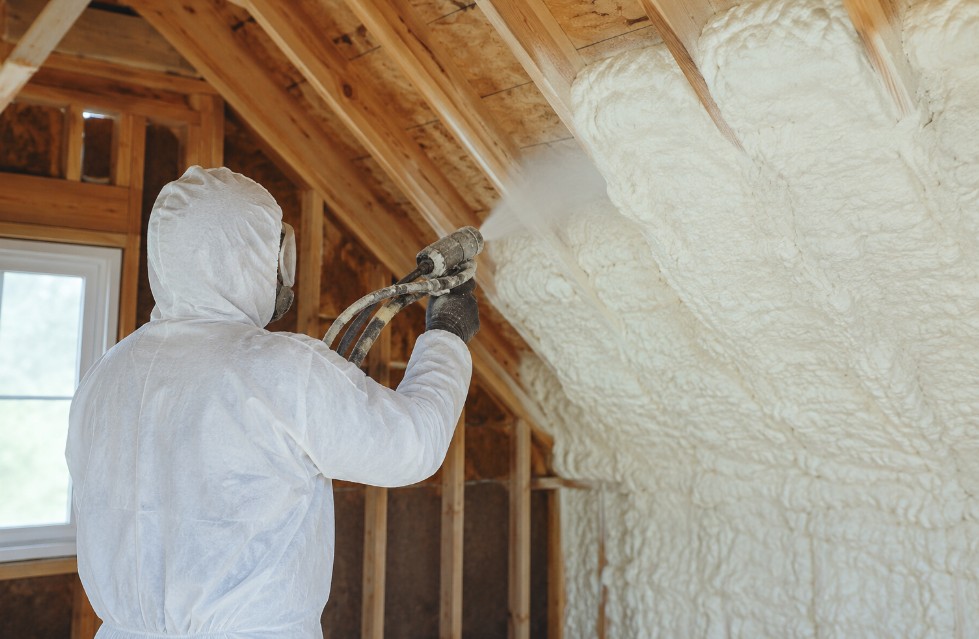
10 Signs Your Home Needs Spray Foam Insulation
Home Improvement, Spray Foam Insulation
Wondering if it’s time to upgrade your home’s insulation? From rising energy bills to drafty rooms, your house may already be telling you it needs Spray Foam Insulation. Whether you live in La Crosse, Onalaska, or the wider Driftless Area, recognizing these warning signs early can help you create a more comfortable, efficient home and avoid costly damage down the road.
1. Your Energy Bills Keep Climbing
If your heating and cooling costs are rising faster than local energy rates, poor insulation is often to blame. Traditional fiberglass or cellulose can sag, settle, or leave gaps over time. Spray Foam Insulation expands to fill cracks and crevices, creating an air-tight seal that helps keep conditioned air inside where it belongs, especially important in the temperature swings common around La Crosse and the Driftless region.
2. Rooms Feel Drafty or Uneven in Temperature
Do you avoid certain rooms because they’re always too hot or too cold? Drafts near windows, doors, outlets, or along baseboards signal air leakage. Spray foam insulation Driftless solutions are designed to tackle these air leaks, creating a continuous thermal barrier in attics, rim joists, and wall cavities so every room feels more consistent and comfortable year-round.
3. Your Furnace or AC Runs Almost Constantly
When your HVAC system has to run nonstop just to maintain a set temperature, it’s usually fighting heat loss or heat gain through poorly insulated areas. By sealing and insulating in one step, spray foam reduces the workload on your system, helping it cycle less often, last longer, and operate more efficiently.
4. Cold Floors and Chilly Basement or Crawl Space
If your feet are always cold on the first floor, the problem may start below you. Uninsulated rim joists, crawl spaces, and basement walls allow cold air and moisture to creep in. Closed-cell spray foam is ideal for these areas, providing both insulation and a moisture-resistant barrier that helps protect your structure in our freeze–thaw climate.
5. Ice Dams on Your Roof in Winter
In snowy winters, ice dams form when warm air from your home escapes into the attic, melting roof snow that then refreezes at the eaves. This can lead to leaks, damaged shingles, and gutters. Properly installed spray foam insulation La Crosse homeowners choose for their attics helps keep heat inside your living space, reducing the risk of ice dams and roof damage.
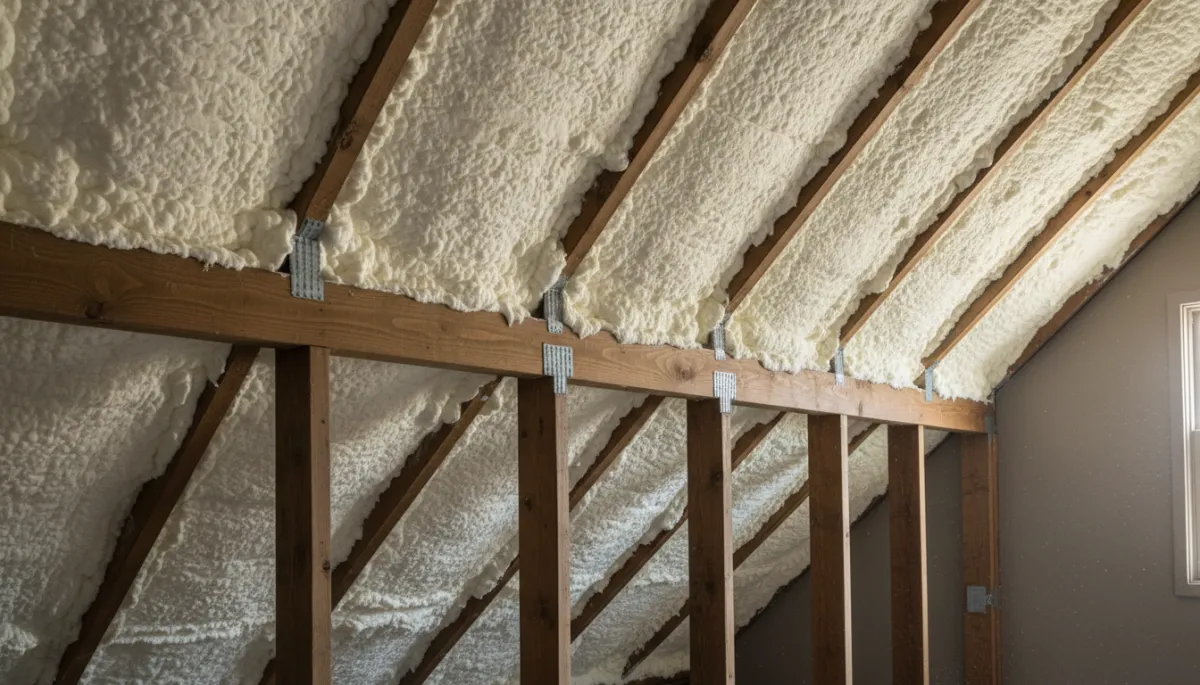
A well-sealed attic can dramatically cut energy loss and ice-dam risk.
6. Persistent Moisture, Condensation, or Musty Odors
Condensation on windows, damp basement walls, or musty smells can indicate excess moisture and air infiltration. Over time, this can contribute to mold growth and structural issues. Closed-cell spray foam acts as both an insulator and a vapor retarder, helping to control moisture migration and protect your home’s framing and indoor air quality.
7. Outside Noise Easily Enters Your Home
If you can clearly hear traffic, neighbors, or wind through your walls, your insulation isn’t doing much for sound control. The dense, expanding nature of spray foam helps absorb and block sound transmission, making your living spaces quieter and more peaceful, especially along busy streets or near commercial areas in La Crosse and Onalaska.
8. Visible Gaps, Cracks, or Aging Insulation
Take a look in your attic or crawl space. If you see bare spots, compressed batts, dark streaks from air movement, or insulation that’s falling apart, it’s time for an upgrade. Spray foam insulation Onalaska homeowners invest in often replaces outdated materials, providing a long-lasting solution that doesn’t sag or settle over time.
9. Frequent Allergies or Dust in the Home
Excess dust, pollen, and outdoor allergens can sneak in through tiny gaps in your building envelope. Because spray foam seals these pathways, it can help reduce the amount of airborne irritants entering your home, supporting cleaner indoor air and fewer allergy flare-ups for sensitive family members.
10. You’re Remodeling or Finishing a New Space
Planning to finish a basement, bonus room, or garage? Renovation is the perfect time to install Spray Foam Insulation. With open walls and easy access, a professional installer can create a tight, efficient envelope from the start, saving you money and headaches later. For homeowners across the Driftless Area, combining upgrades with spray foam often delivers the best long-term value.
Frequently Asked Questions
1. Is spray foam insulation worth the investment?
Yes. While the upfront cost is higher than traditional materials, many homeowners see lower energy bills, fewer drafts, and improved comfort, often paying back the difference over time through savings and reduced maintenance.
2. Where in my home should spray foam be installed first?
The most common high-impact areas are attics, rim joists, crawl spaces, and basement walls. Sealing these locations first can dramatically improve comfort and efficiency throughout the home.
3. How long does spray foam insulation last?
Properly installed spray foam is designed to last for the life of the structure without sagging or settling, making it a long-term solution compared with many traditional products.
4. Is spray foam insulation safe for my family?
When installed by trained professionals following manufacturer guidelines, spray foam cures into an inert material. Contractors typically recommend staying out of the treated area during installation and curing, after which it is safe for everyday use.
5. Can spray foam help with ice dams and roof problems?
Yes. By reducing heat loss through the attic, spray foam can help minimize the temperature differences that lead to ice dams, protecting your roof and gutters from seasonal damage.
6. What’s the difference between open-cell and closed-cell spray foam?
Open-cell foam is lighter, great for interior walls and sound control. Closed-cell foam is denser, offers higher R-value per inch, and adds moisture resistance, making it ideal for basements, crawl spaces, and exterior walls in our climate.
7. How do I get started with spray foam insulation in the Driftless Area?
Begin with a professional home assessment. A local contractor experienced in spray foam insulation Driftless, including spray foam insulation La Crosse and spray foam insulation Onalaska projects, can inspect your home, identify problem areas, and recommend the best approach for your budget and goals.
If you’re noticing several of these signs, consider scheduling an inspection and exploring how Spray Foam Insulation can help you create a more comfortable, efficient home for years to come.
