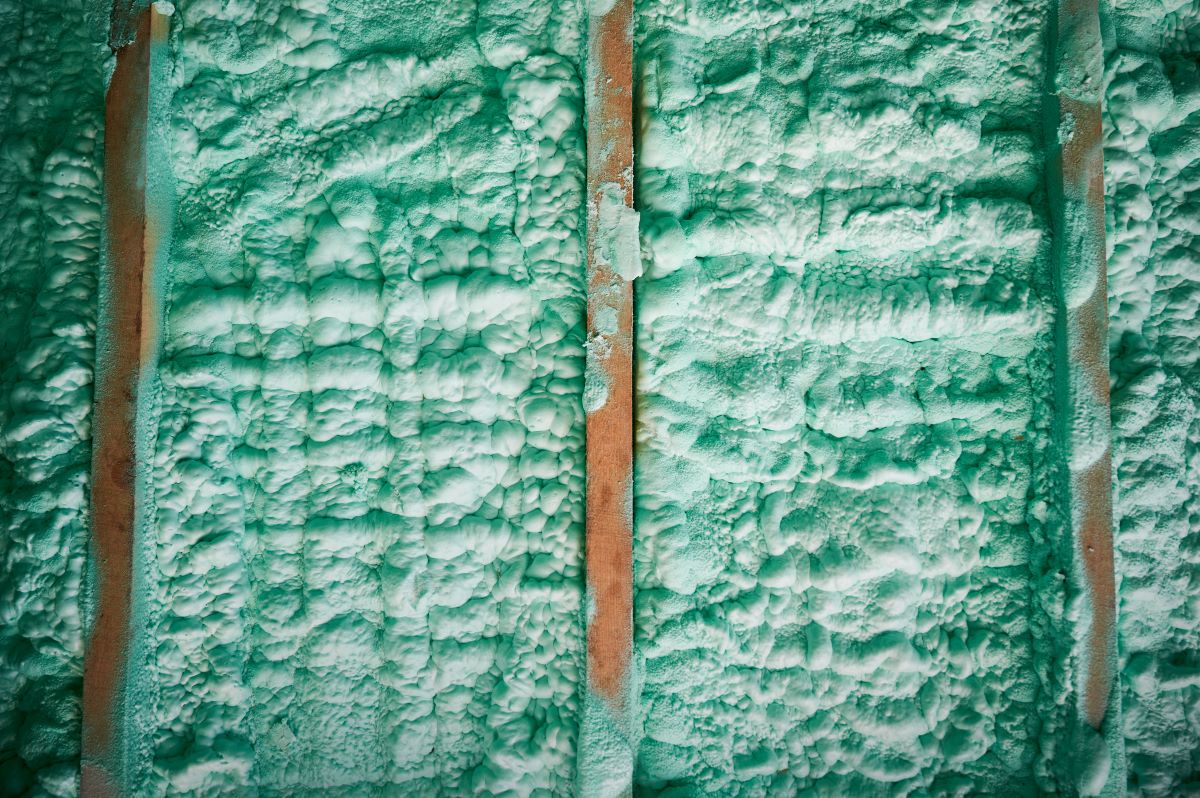
How to Choose the Right Green Spray Foam for Your Insulation Needs
Choosing the right green spray foam comes down to three things: how much bio-based material it actually contains, whether it has real third-party low-VOC certification rather than just marketing language, and whether its R-value performs close to standard foam. Bio-based (often soy-based) polyols replace some of the petroleum content in the foam, while low-VOC formulations reduce off-gassing during and after installation. The right choice for your home depends on matching these factors to your priorities, whether that's indoor air quality, sustainability, or both.
If you're weighing spray foam options for your home in the Driftless Region, here's how to work through that decision step by step.
What "Green" Spray Foam Actually Means
Before you can choose the right product, it helps to know what the term is actually describing. "Green" spray foam usually refers to one or both of these things:
Bio-based content. Some or all of the petroleum-based polyol in the foam is replaced with a plant-based alternative, most commonly soy oil. This doesn't change how the foam performs structurally, but it does reduce the amount of petroleum used in production.
Low-VOC formulation. Standard spray foam can off-gas volatile organic compounds during curing and for a short period after. Low-VOC versions are formulated to reduce this, which matters if you have family members with chemical sensitivities, young children, or pets in the home.
These two things aren't always the same product. A foam can be bio-based without being low-VOC, and vice versa. That's why it pays to ask specific questions rather than relying on the word "green" or "eco-friendly" on a spec sheet.
Step 1: Look Past the Marketing Language
The word "green" gets used loosely in the insulation industry, so the first step is figuring out what's actually behind the claim. Ask the manufacturer or installer directly:
What percentage of the polyol is bio-based (soy, castor, or other plant oil)?
Is there a third-party certification backing the low-VOC claim, such as GREENGUARD Gold or a similar standard?
Is there a published Safety Data Sheet (SDS) you can review before installation?
A legitimate green product will have documentation. If an installer can't point you to a specific certification or spec sheet, that's a sign the "green" label may just be marketing.
Step 2: Compare Performance to Standard Foam
Bio-based content doesn't inherently make foam perform worse, but it's still worth confirming the R-value and expansion rate match what you'd expect from standard closed-cell or open-cell foam. Reputable green formulations typically perform in the same range: closed-cell around R-6 to R-7 per inch, open-cell somewhat lower but still ahead of fiberglass on air sealing.
If you're still deciding between closed-cell and open-cell in general, independent of the green question, it's worth reviewing the fullopen cell vs closed cell spray foamcomparison first, since that decision affects where green formulations make the most sense in your home.
Step 3: Weigh the Cost Difference
Bio-based and low-VOC spray foam formulations typically cost more than standard foam, usually somewhere in the range of 5 to 15 percent more depending on the manufacturer and the percentage of bio-based content. This isn't a fixed number, so get quotes for both standard and green options on your specific project before deciding.
For most homeowners, the deciding factor isn't really the cost gap. It's whether indoor air quality or sustainability is a high enough priority to justify it. If you're already dealing with thesigns your home needs spray foam insulationin the first place, that added cost is small relative to the overall project.
Step 4: Consider Your Reason for Going Green
Your priority should shape which product you choose:
If indoor air quality is your main concern(allergies, sensitivities, young children, pets), prioritize the VOC certification over the bio-based percentage. A foam with strong third-party low-VOC certification will matter more here than one that's simply soy-based but otherwise standard in its off-gassing profile.
If sustainability is your main concern,prioritize the bio-based polyol percentage and ask about the manufacturer's sourcing and production practices.
If both matter to you,look specifically for products that are certified on both fronts, and don't assume one automatically means the other.
This is also worth discussing directly with your installer, sincehow spray foam insulation transforms indoor healthgoes deeper into how insulation choices affect the air inside your home over time.
Step 5: Vet the Installer's Experience With Green Formulations
Not every spray foam contractor works with bio-based or low-VOC products regularly. Application and curing conditions can differ slightly from standard foam, so it's worth asking your installer directly:
Have you installed this specific green product before?
Do you know the correct curing time and ventilation requirements for it?
Can you provide the manufacturer's application guidelines for this formulation?
An installer who works with these products regularly will have clear, confident answers. If you get vague responses, that's worth factoring into your decision. For a broader look at vetting any spray foam installer, not just for green products specifically, seehow to choose the right spray foam insulation company near you.
Green Spray Foam vs. Standard Spray Foam: Quick Comparison
FactorStandard Spray FoamGreen (Bio-Based / Low-VOC) Spray FoamR-value (closed-cell)R-6 to R-7 per inchR-6 to R-7 per inch (comparable)VOC off-gassingStandard curing profileReduced, if certified low-VOCPetroleum contentHigherPartially replaced with bio-based polyolTypical costBaseline5–15% higher, depending on formulationCertification availableVariesLook for GREENGUARD Gold or equivalent
Frequently Asked Questions
Is green spray foam as effective as regular spray foam?
Yes, when it comes from a reputable manufacturer. Bio-based content doesn't reduce R-value or air-sealing performance in most quality formulations. The key is confirming the specific product's spec sheet rather than assuming all "green" products perform identically.
Does green spray foam cost more?
Usually, yes. Expect a modest premium, often 5 to 15 percent above standard foam, depending on the bio-based percentage and any certifications involved. Get a direct quote comparison for your project rather than relying on general pricing estimates.
Is green spray foam safer for my family?
Low-VOC certified formulations do reduce off-gassing during and shortly after installation, which can matter for households with chemical sensitivities or young children. That said, any spray foam requires proper ventilation during curing regardless of formulation, so follow your installer's guidance either way.
Can I mix green and standard foam in the same project?
Yes. Some homeowners choose a green formulation for living spaces and a standard formulation for less-occupied areas like crawl spaces or garages, mainly to manage cost while still addressing indoor air quality where it matters most.
Making Your Final Decision
Choosing the right green spray foam isn't complicated once you know what to check: real certifications instead of marketing language, comparable R-value performance, a clear understanding of the cost difference, and an installer who has actual experience with the formulation you choose. From there, the decision mostly comes down to which priority, air quality or sustainability, matters more to your household.
If you're ready to talk through your options,explore Driftless Foam's spray foam insulation servicesand ask directly about bio-based and low-VOC formulations available for your home.
