Top Signs Your Home Needs New Insulation
Top Signs Your Home Needs New Insulation

Your home tells you when something's wrong. The problem is most homeowners don't speak the language.
When one room feels like an icebox while another feels like a sauna, that's not normal. When your energy bill climbs month after month without explanation, that's not bad luck. When your HVAC system runs constantly but never quite gets the job done, that's not an aging system.
It's your insulation failing.
We've seen this pattern hundreds of times. Homeowners assume discomfort is just part of owning an older home. They accept high bills as the cost of living. They patch the obvious problems—doors, windows—and wonder why nothing improves.
The real issue hides in places you rarely see: attics, crawlspaces, rim joists, and wall cavities. Small gaps compound into major energy drains. Settled insulation stops performing. Moisture creeps in and damages everything it touches.
Here's what you need to know about the warning signs that matter.
Temperature Gaps That Signal Real Problems
alk through your home right now. Notice how each room feels.
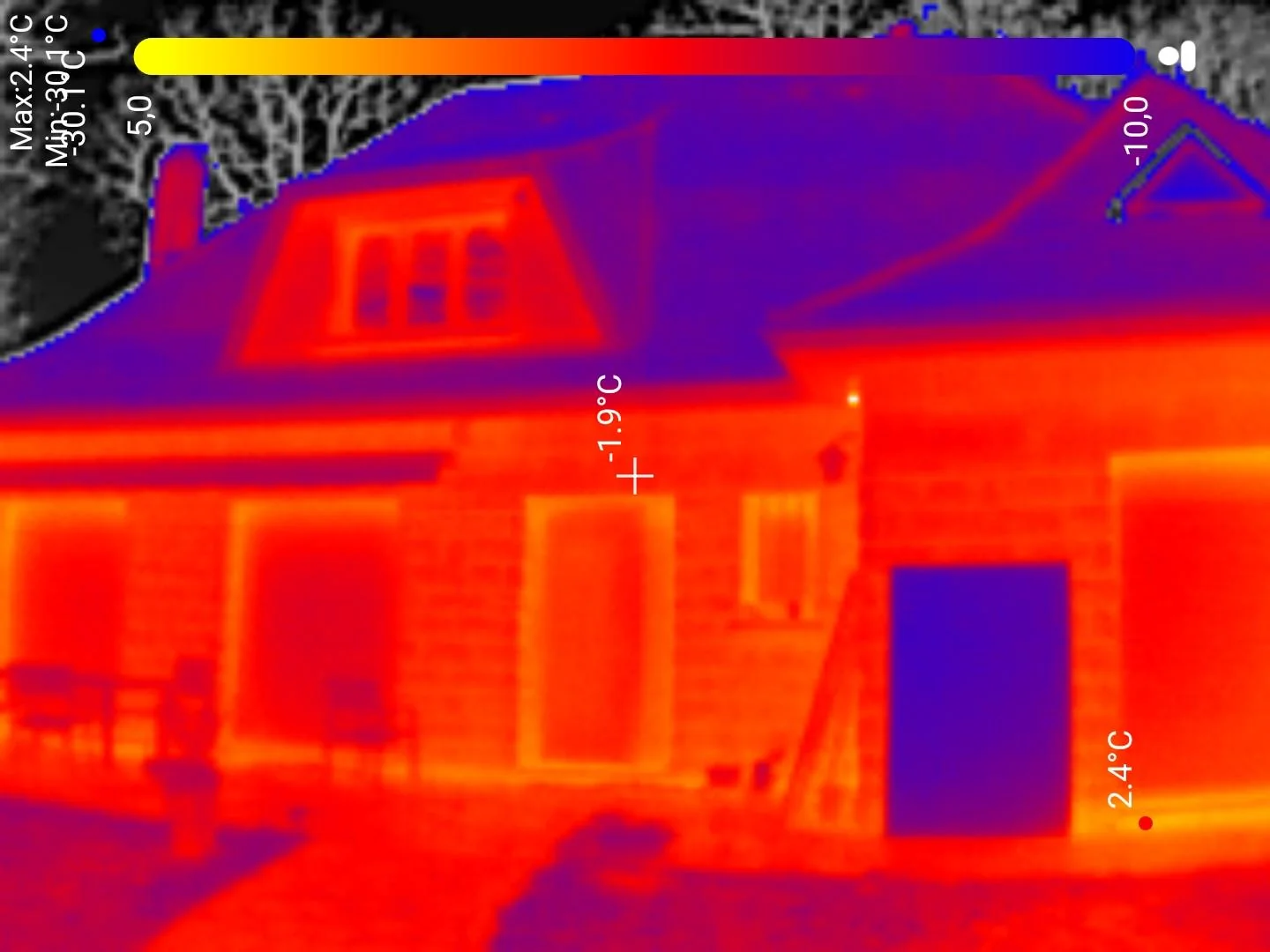
If you're seeing consistent temperature differences of 4 to 6 degrees between rooms or floors, you're looking at an insulation problem. A degree or two of variation is normal—sun exposure, thermostat placement, and natural airflow create minor differences.
But when one side of your house consistently lags behind the thermostat, or your second floor stays several degrees off no matter what you do, that's air leaking through gaps in your home's envelope.
According to research, temperature differences of 8-10 degrees between floors indicate serious problems with how your home holds conditioned air. Even differences of 3-5 degrees between rooms on the same floor point to insufficient insulation or air sealing issues.
This isn't about comfort alone. When your home can't maintain even temperatures, your HVAC system works overtime to compensate. That persistent imbalance signals drafts, leaks, or insufficient insulation forcing the system into constant operation.
The pattern matters more than a single cold spot. Pay attention to rooms that stay uncomfortable day and night, regardless of season.
Energy Bills That Keep Climbing

Your energy bill tells a story about your home's performance.
When bills gradually creep up month after month, or spike sharply during seasonal extremes without obvious cause, you're watching your insulation fail in real time. Increases of 15 to 25 percent compared to the same period last year signal that your home is losing conditioned air somewhere.
This differs from a one-time high bill caused by unusual weather or increased usage. The pattern persists. The extra cost isn't just wasted money—it's your system compensating for leaks and underperforming insulation.
The numbers back this up. Homeowners can save up to 15% on heating and cooling costs by properly air sealing and insulating their homes. Poorly insulated homes lose as much as 30% of their heat through walls and roofs, forcing heating systems to work constantly to compensate.
When you haven't changed your routines or added new appliances, but usage steadily climbs, that's your first concrete sign that your home's envelope isn't performing as it should.
The Sound of Constant Operation

Listen to your home.
Homeowners often notice subtle signs before they check the bill. A low-level hum or whoosh of the HVAC fan that never seems to stop. A constant pulse of warm or cool air that cycles on and off without ever bringing a room to the desired temperature.
In daily life, this shows up as rooms that are never quite comfortable. One side of the house feels chilly while another feels stuffy. There's a sense that the system is working overtime even though the thermostat hasn't changed.
You might notice sudden drafts when walking near doors, windows, or vents. Certain areas feel damp or clammy because the airflow is unbalanced. The equipment kicks on multiple times in an hour. The furnace or AC starts and stops in patterns that feel unusual.
The frustrating part? Most homeowners assume it's just an old, inefficient, or improperly sized system. They don't realize that poor insulation and hidden leaks are forcing constant compensation.
Those everyday sounds and sensations become one of the clearest signals that your home is losing energy and comfort.
Hidden Air Leaks You Never Check

The spots that catch most homeowners by surprise are places they don't see every day.
Air sneaks through tiny gaps in areas that feel completely hidden or finished. Common trouble zones include:
The attic—especially around edges where the roof meets the walls and near recessed lighting or plumbing vents. Small cracks there let surprising amounts of air escape. Research shows that roughly 25% of heat seeps out through the attic and roof alone.
Rim joists along the foundation and basement walls. These gaps are often covered by finished trim or flooring and go unnoticed for years.
Ductwork, electrical outlets, and switches on exterior walls. Even a half-inch gap creates constant airflow. ENERGY STAR reports that 20-30% of air flowing through HVAC ducts can be lost due to leaks, holes, and poor connections.
Garage-to-home transitions and crawlspaces. Homeowners rarely inspect these areas, yet they connect directly to conditioned spaces.
Small penetrations for pipes, cables, and vents. These add up to significant energy loss when not sealed properly.
Fixing only doors and windows might improve comfort slightly. But the real energy drain comes from places you'd never think to check.
What Failed Insulation Actually Looks Like

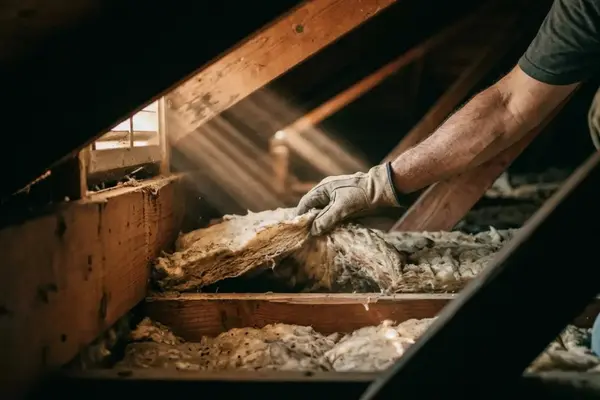
When we inspect an attic, failed or settled insulation is obvious once you know what to look for.
Instead of a full, even layer covering the joists, you see areas that are compressed, matted down, or pulled away from the edges. Bare spots where air moves freely. Around recessed lighting or plumbing vents, gaps where insulation didn't fully cover the opening create little channels for air to escape.
Older fiberglass looks flattened or patchy, losing the thickness that provides its R-value. Spray foam that has failed might have shrunk away from the joist or vent, leaving voids.
In contrast, insulation that's still working appears uniform, fluffy, and continuous. It fills all nooks and crevices with no visible cracks or compressed areas. It snugly surrounds penetrations like vents or wiring without leaving gaps.
That difference is critical. Even small pockets of missing or settled material let conditioned air slip out constantly.
When Insulation Degrades Over Time
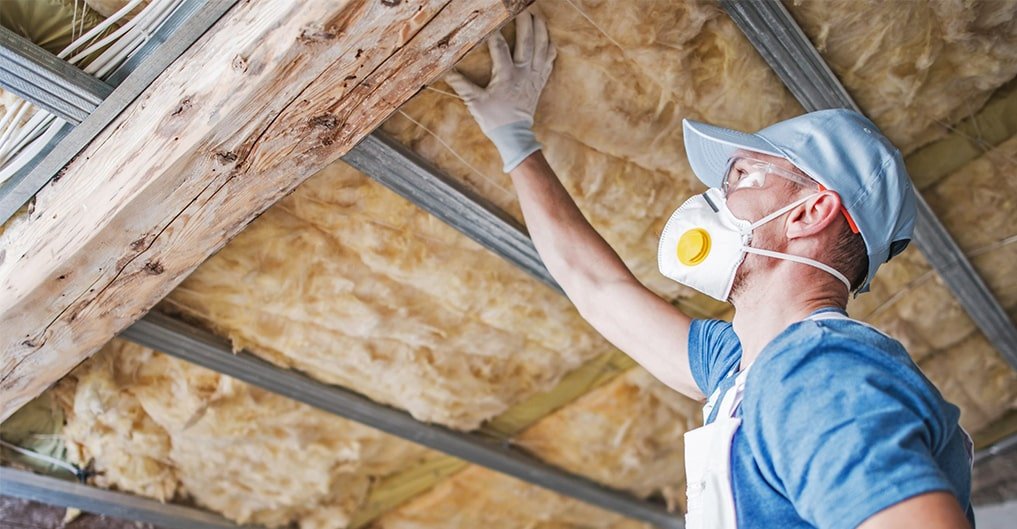
Older fiberglass loses its R-value primarily because it gets compressed, shifted, or displaced over time.
Its effectiveness depends on maintaining that fluffy, lofted structure that traps air. Everyday factors slowly flatten the fibers: gravity, foot traffic in the attic, moisture from small leaks or humidity, vibration from HVAC systems or plumbing. Dust accumulation and pest activity press down the material or create gaps.
For many homes, noticeable degradation starts after 15 to 20 years. In high-moisture areas or frequently accessed attics, problems show up sooner. Standard insulation starts to degrade and peel from walls after about 15 years.
You need to start worrying when you notice uneven coverage, settled batts exposing joists, or rooms that never hold consistent temperatures. Those are signs the insulation isn't performing as it should.
Waiting too long results in higher energy bills and an HVAC system working overtime to compensate for lost efficiency.
Moisture Damage You Can See and Smell
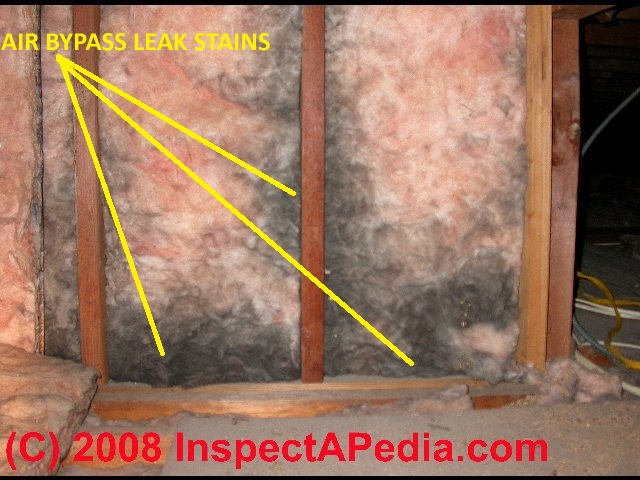
The first signs of moisture compromising insulation are often subtle but noticeable if you know what to look for.
Physically, you might see:
Areas where insulation looks darker than surrounding material
Damp or spongy texture to the touch
Clumped and matted material rather than fluffy
Permanent depressions or flattening that never bounces back
Discoloration or sagging in older cellulose or spray foam
Staining on the underside of the roof deck or along joists
Mold or mildew growth
Small streaks where water has run
Smell is a big indicator. A musty or earthy odor in the attic or behind walls often signals trapped moisture or mold developing within the insulation.
Other indirect signs include persistent drafts, uneven heating or cooling, or condensation on vents and pipes. These suggest moisture is affecting the insulation's ability to perform.
Catching these signs early is critical. Once moisture saturates insulation, it reduces energy efficiency and can lead to structural damage, health concerns, and costly remediation.
How Moisture Affects Your Air Quality

When moisture infiltrates insulation and mold or mildew starts to grow, it quietly compromises air quality throughout your living space.
Tiny spores circulate through the HVAC system or leak through gaps into rooms. A musty or stale smell lingers no matter how often you clean.
People start noticing symptoms like frequent coughing, sneezing, irritated eyes, or lingering congestion that doesn't seem tied to seasonal allergies. Those with asthma or sensitivities experience more pronounced breathing difficulties.
The discomfort is usually subtle at first. Rooms feel slightly off, damp, or cooler than expected. Over time, the presence of spores in the air makes the environment less healthy and more fatiguing to live in.
Homeowners rarely connect these symptoms to insulation. They blame outdoor allergens, HVAC filters, or colds. They don't realize the root cause is moisture-damaged insulation silently affecting every room in the house.
When Moisture Becomes Structural Damage

When moisture sits in insulation over the long term, it doesn't just reduce the material's ability to resist heat flow. It starts affecting the building itself.
Wood framing, joists, and roof sheathing absorb water. This leads to swelling, warping, or rot if left unchecked. Nails, screws, or metal connectors corrode. Repeated wetting and drying cycles weaken structural integrity over time.
Mold growth spreads from insulation into wood surfaces, creating hidden colonies that continue to deteriorate materials while contributing to poor indoor air quality.
The line between a fixable insulation problem and structural damage comes when moisture has persisted long enough to compromise framing or decking. Often after months or years of repeated exposure without remediation.
You start seeing sagging ceilings, soft spots in floors, warped trim, or visible mold on framing members. At that stage, simply replacing the insulation isn't enough. The affected structural components must be repaired or replaced as well.
This is far more costly and invasive than addressing the problem early while it's limited to compromised insulation.
The Diagnostic Step You Can Take Today
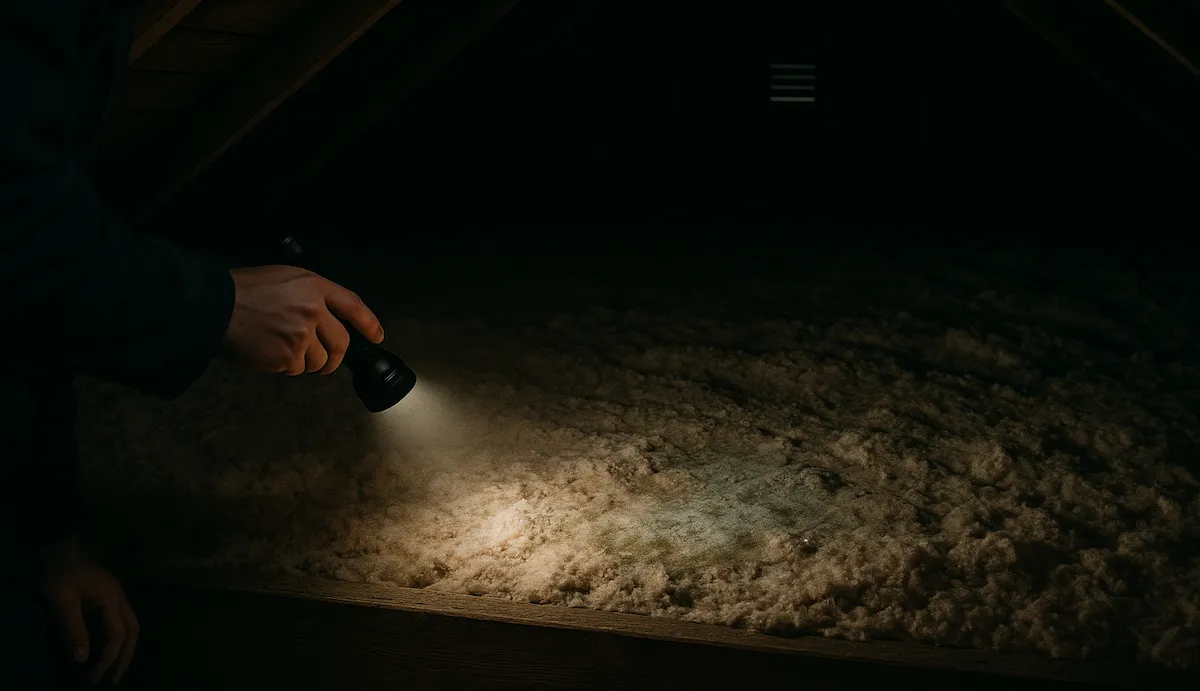
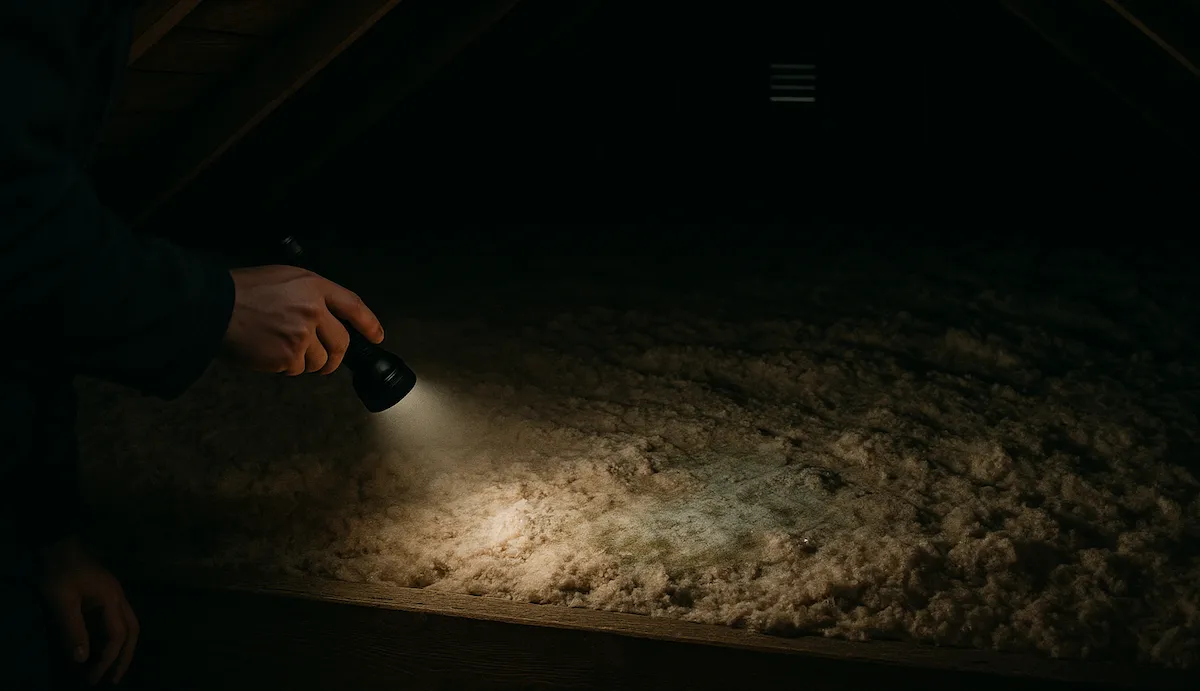
If you suspect multiple issues happening at once, start with a careful visual and tactile inspection of accessible areas.
Seeing and feeling the problem firsthand often reveals patterns that point to underlying issues.
Check these areas:
Attics, crawlspaces, basements for flattened, damp, or discolored insulation
Gaps around vents, wiring, or recessed lighting
Drafts along windows, doors, and rim joists
Musty odors anywhere in the home
Condensation on pipes or ductwork
Uneven temperatures between rooms or floors
Even without specialized tools, this combination of visual, tactile, and sensory clues helps you determine whether the issue is simple settling, airflow gaps, moisture intrusion, or a more serious systemic problem.
This gives you a clearer picture to share with a professional, which helps prioritize repairs and ensures the right solution is applied.
The Cost of Waiting
The cost difference between addressing problems immediately versus waiting another year or two can be surprisingly large.
Addressing the problem now usually involves targeted insulation replacement, air sealing, and moisture remediation. While not insignificant, this is far less expensive than letting issues compound.
If you wait, small gaps and settled insulation allow the HVAC system to work harder, which steadily drives up energy bills. Moisture problems worsen, leading to mold growth, rot, and damage to structural components like joists, rim boards, or roof decking.
What could have been a few thousand-dollar project often balloons into tens of thousands once full remediation, framing repairs, and mold abatement are required.
Beyond the dollar figure, waiting prolongs discomfort, uneven temperatures, and poor air quality. The hidden cost of delay—both in money and quality of life—easily outweighs the immediate investment in a thorough fix.
Tackling the problem now locks in lower energy bills, preserves your home's structure, and prevents health and comfort issues from escalating.
The Biggest Misconception That Costs You Money

The biggest misconception homeowners have about insulation is that it's something you install once and then forget about.
Many assume that if insulation looks in place, it's automatically doing its job. In reality, even small gaps, settled material, or hidden moisture drastically reduce performance over time.
This mindset ignores the way air actually moves, how insulation degrades, and how moisture can quietly compromise both efficiency and structure.
This misunderstanding leads homeowners to delay fixes, patch only visible issues, or accept high bills and inconsistent comfort as inevitable. In fact, a proactive, system-wide approach would have paid for itself years ago.
In the long run, treating insulation as static rather than dynamic costs the most money. Not just through wasted energy, but through accelerated wear on HVAC systems, potential structural damage, and lost comfort that could have been solved early with proper assessment and comprehensive solutions.
💡 Good news: Homeowners can earn a tax credit worth 30% of the cost of new insulation—up to $1,200 each year—until the end of 2025, making now an ideal time to address insulation problems.
What Happens When You Fix It Right

When homeowners finally address their insulation problems properly, the change is immediate and noticeable.
The single biggest surprise? How quiet the home becomes.
The constant hum of the HVAC system stops. The frequent cycling on and off disappears. Rooms reach the desired temperature and stay there. The system runs when it needs to, then shuts off.
That persistent background noise you didn't even realize was there—gone.
Beyond the silence, temperatures even out across rooms and floors. Drafts disappear. Energy bills drop. The air feels cleaner, fresher, less stuffy.
Your home starts performing the way it should have all along.
If you're noticing any of the warning signs we've covered—temperature gaps, climbing bills, constant system operation, moisture issues, or structural concerns—don't wait. A careful inspection of accessible areas gives you the information you need to move forward.
The difference between addressing problems now and waiting another year could save you thousands of dollars and years of discomfort.
Your home is telling you what it needs. The question is whether you're ready to listen.
