How to Choose the Right Spray Foam Insulation Contractor in Northern Illinois and Eastern Iowa
Selecting a qualified spray foam insulation contractor is a crucial decision for homeowners and businesses in Northern Illinois and Eastern Iowa. With various options available, it can be daunting to navigate the selection process. This guide provides valuable insights on how to choose the right contractor, emphasizing critical evaluation factors, essential questions to pose, and tips to ensure reliability and expertise. Understanding the benefits of spray foam insulation and the specific qualifications of potential contractors can lead to better energy efficiency, durability, and comfort in your space. We will explore key factors to consider, questions to ask, and practical steps to assess qualifications effectively throughout this article.
Key Factors to Consider:
When evaluating a spray foam insulation contractor, several key factors should guide your selection process.
Experience and Expertise: Ensure the contractor has substantial experience in spray foam insulation, specifically within the Northern Illinois and Eastern Iowa regions. A knowledgeable contractor will understand local building codes and requirements.
Specialization in Spray Foam Insulation: It’s beneficial to choose a contractor who specializes in spray foam insulation as opposed to broader insulation services. This specialization often correlates with higher quality work.
Reputation and Reviews: Investigate the contractor's reputation by reading customer reviews and testimonials. Positive feedback and a solid track record can provide confidence in their capabilities.
Questions to Ask Potential Contractors:
Prior to making a decision, it's vital to ask potential contractors specific questions that will help assess their competence and reliability.
Experience with Spray Foam Insulation?: Inquire about the number of projects they've completed and their experience specific to spray foam insulation.
Can You Provide References?: Always request references from previous customers. This will allow you to evaluate their satisfaction and the quality of the contractor's work from firsthand accounts.
What Types of Spray Foam Do You Recommend?: Ask about the types of spray foam insulation they use, and understand the benefits and limitations of each option.
Tips for Evaluating Qualifications and Reliability:
Choosing the right contractor involves scrutinizing their qualifications and reliability through recommended practices.
Request a Detailed Estimate: A reliable contractor should provide a comprehensive estimate that covers all aspects of the job, including materials used and labor costs.
Check for Certifications: Verify that the contractor holds necessary licenses and certifications indicating they are qualified to perform spray foam insulation work.
Assess Communication Skills: Effective communication is vital. A good contractor should be reachable, responsive, and clear in their explanations and recommendations.
What Are the Key Benefits of Spray Foam Insulation for Homes and Businesses?
Spray foam insulation provides numerous advantages for residential and commercial properties.
Energy Efficiency: Closed-cell spray foam insulation forms a seamless barrier that significantly reduces air leakage, helping to maintain consistent indoor temperatures and lower energy bills.
Soundproofing: The dense structure of spray foam insulation offers excellent soundproofing, making it ideal for both homes and commercial spaces located near noisy environments.
Cost Savings: Although the initial investment may be higher than traditional insulation, homeowners often recoup costs through lower utility bills and improved energy efficiency over time.
The following report further highlights how well-documented retrofit systems, like spray foam, can lead to substantial energy savings and enhanced durability.
Energy Savings & Durability with Retrofit Wall Systems Well-tested and documented wall retrofit systems can help to achieve substantial energy savings and also improve durability, comfort, health, and resilience. In 2018, DOE’s Building Technologies Office awarded Pacific Northwest National Laboratory, Oak Ridge National LaboWall Upgrades for Energy Retrofits: A Techno-Economic Study, CA Antonopoulos, 2022
Comparison of Benefits: Spray Foam Insulation
Different types of spray foam insulation offer distinct benefits that cater to various needs.
By understanding these distinctions, property owners can make informed decisions tailored to their specific insulation challenges.
How Does Spray Foam Improve Energy Efficiency and Comfort?
Spray foam insulation enhances energy efficiency and comfort through its unique properties.
Seamless Air Barrier: The application forms a continuous barrier that minimizes air leaks, which is crucial in maintaining a controlled indoor environment.
Maintains Indoor Temperature: Spray foam effectively keeps heated or cooled air inside the building, which not only enhances comfort but also minimizes reliance on heating and cooling systems.
Improves Indoor Air Quality: By sealing gaps and cracks, spray foam insulation helps reduce the entry of dust, allergens, and other harmful pollutants, leading to a healthier living or working environment.
What Are the Differences Between Closed Cell and Open Cell Spray Foam?
Understanding the distinctions between closed-cell and open-cell spray foam is important for selecting the right type for your project.
Performance Differences: Closed-cell foam is denser and offers higher R-value per inch, while open-cell foam is lighter and expands more, covering gaps and cavities effectively.
Applications for Each Type: Closed-cell foam is suitable for areas requiring moisture resistance like basements, while open-cell foam is often used in walls and ceilings where lower density is acceptable.
Cost Considerations: Generally, closed-cell foam is more expensive due to its performance benefits, while open-cell foam offers a cost-effective option for standard insulation needs.
For more detailed information on practical applications and benefits of spray foam in various renovation contexts, consider the insights from this comprehensive report.
Spray Foam Application in Accessible Spaces for Home Retrofits This report describes the use of spray foam materials to insulate, seal, and control moisture. This discussion is limited to treating areas that are accessible. What is accessible, however, can vary depending on the type of renovation. If the building has been gutted or exterior surfaces removed, there are more options. This report will look at areas to consider for spray foam application and discuss the types of spray foams available and their uses. A number of case studies are presented to show the effectiveness of this retrofit in existing houses based on performance data.Spray Foam in Accessible Spaces: Best Practices and Case Studies for Retrofit in Mixed-Humid Climates, 2011
How to Evaluate and Select Qualified Local Spray Foam Contractors?
Finding a qualified local contractor can be straightforward by following these steps.
Check Credentials: Always verify that the contractor is licensed and insured in the local area. This protects you in case of any issues during the project.
Review Past Work: Ask for a portfolio of completed projects to assess their previous work quality. This can provide insight into their style and expertise.
Contact References: Reaching out to past clients for their experience is invaluable. Inquire about the quality of work, adherence to the timeline, and overall satisfaction.
Which Licensing and Certifications Should a Trusted Contractor Have?
When selecting a spray foam insulation contractor, certain licenses and certifications are crucial.
Necessary Licenses: Ensure the contractor holds a valid business license and any specific state certifications for insulation work, indicating compliance with local standards.
Relevant Certifications: Look for certifications from recognized industry organizations, which signify that a contractor is updated on best practices and new technologies.
Industry Standards: Technicians should follow standard procedures and adhere to safety guidelines ensuring their work meets or exceeds industry regulations.
What Questions Should You Ask to Assess Contractor Expertise?
Asking the right questions can help you gauge a contractor’s expertise and fit for your project.
Experience and Specialization Questions: Inquire about the specific insulation projects they have undertaken and their particular strengths in spray foam applications.
Materials Used Inquiries: Ask about the types and brands of spray foam materials they utilize, emphasizing quality and performance that align with your goals.
Installation Process Description: Understanding their installation process—including preparation, application, and post-installation care—will provide clarity on what to expect.
What Factors Influence Spray FoamInstallation Cost and Estimates?
Several elements can affect the overall cost of spray foam insulationinstallation.
Material Types: The type of spray foam chosen (closed-cell vs. open-cell) will largely impact your budget, as closed-cell insulation typically carries a higher price tag.
Project Size: The scope of the installation project, including the total area to be insulated, plays a critical role in determining cost.
Labor Costs: Skilled labor is necessary for proper application, and the cost can vary based on the contractor’s experience and local market rates.
How Is Spray FoamInstallation Cost Determined?
Understanding how costs are determined can aid in budgeting for your project.
Factors Influencing Costs: Labor, materials, and site conditions all contribute to the final estimate. Contractors may also factor in preparation work and clean-up.
Estimating Total Project Costs: Obtaining multiple quotes will help provide a clearer picture of reasonable costs for your specific needs.
Budget Planning Tips: Always budget for a buffer, as unforeseen additional work may arise, particularly with older structures that may need extra preparation before installation.
How Can a Free Estimate Help You Plan Your Project Budget?
Free estimates are a valuable tool for budgeting and planning your spray foam insulation project.
Detailed Cost Breakdown: A comprehensive estimate should explain all proposed costs, offering insight into labor, materials, and any additional fees.
Potential Savings Assessment: Comparing multiple estimates can reveal where you can save money without compromising quality or service.
Financial Planning Guidance: Accurate estimates can help in constructing a realistic budget that reflects all potential costs associated with the insulation project.
What Is the Typical Spray FoamInstallation Process and How to Prepare?
The installation process for spray foam insulation is crucial for ensuring its effectiveness.
Step-by-Step Installation Procedures: The process typically involves preparation of the area, installation of foam insulation, and then a thorough inspection.
Preparation Tips for Property: Clear the installation area, ensuring that it is accessible. This may involve moving furniture or covering vents.
Post-Installation Expectations: Understand that the area may need to be ventilated post-application to allow any off-gassing to dissipate fully.
What Should You Expect During Spray Foam Application?
Knowing what to expect can alleviate concerns and ensure proper execution during application.
Installation Crew Professionalism: Ensure that crew members are courteous, knowledgeable, and equipped to answer any questions you may have during the process.
Timeline Estimates: Depending on the project size, the time required for application will vary, so understanding the expected timeline is essential.
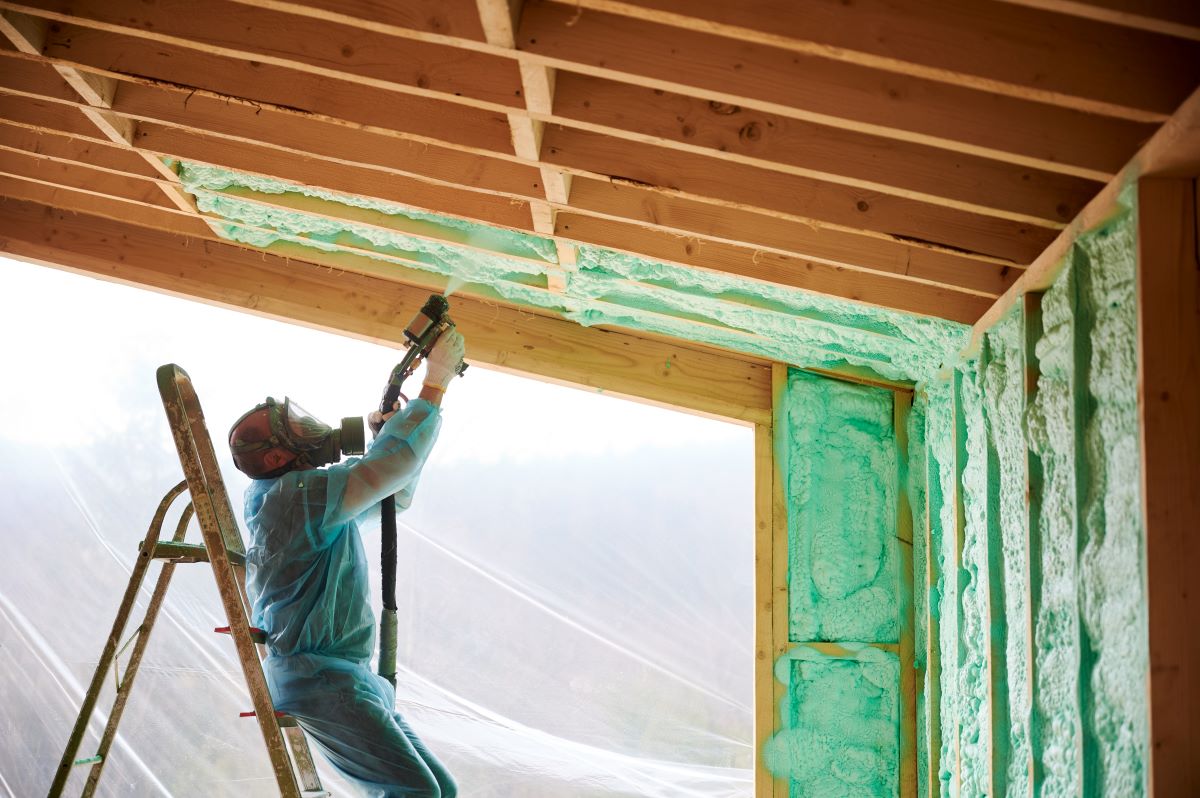
Safety Precautions: Your installer should adhere to safety protocols, including the use of protective gear and ensuring proper ventilation during application.
How Can You Prepare Your Property for Efficient Installation?
Preparing your property for spray foam insulation can enhance the efficiency of the installation process.
Clearing the Installation Area: Ensure that the area where installation will occur is clear of any obstructions or debris.
Ensuring Proper Ventilation: Ventilation is key during application; keep windows open and HVAC systems turned off as needed.
Addressing Moisture Issues: Any pre-existing moisture problems should be dealt with before installation to ensure optimal adhesion and performance of the foam.
By following these guidelines and understanding the benefits of spray foam insulation, you can make informed choices that enhance both comfort and efficiency in your property.
