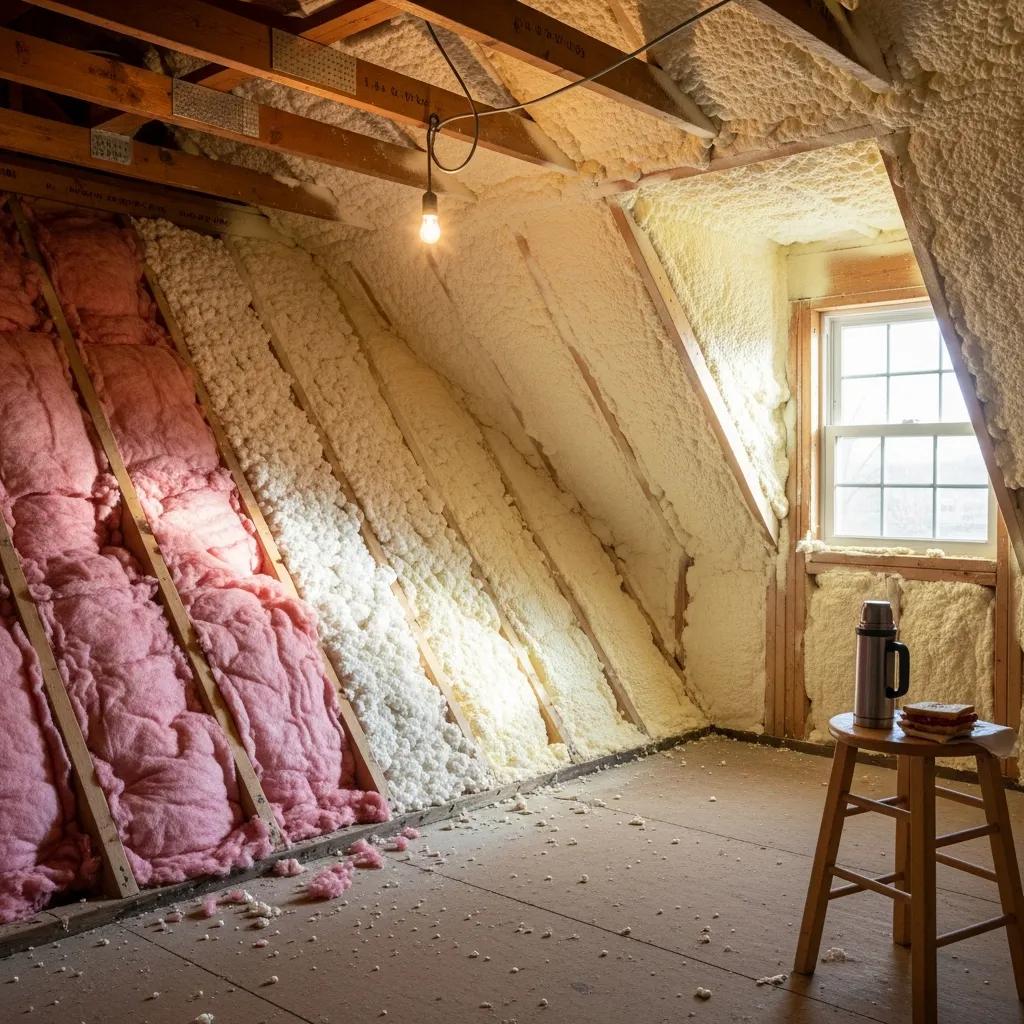
Maximize Energy Savings with Attic Insulation Foam Spray
Comprehensive Guide to Attic Insulation: Benefits, Costs, Materials, Installation, and Energy Efficiency

Attic insulation is a fundamental component in maintaining energy efficiency within residential buildings, directly influencing heating and cooling expenses. This comprehensive guide explores the range of materials available for attic insulation, their respective benefits, installation techniques, and the broader impact on energy conservation and environmental sustainability. Homeowners frequently encounter challenges related to energy loss, which can result in elevated utility bills and reduced indoor comfort. By gaining a thorough understanding of insulation types, their performance characteristics, and proper installation methods, homeowners can make well-informed decisions that optimize their living environments. This article covers the most effective materials for attic insulation, cost considerations, best installation practices, and environmental implications associated with various insulation options.
Recognizing the critical role of attic insulation is essential for managing household energy expenses and enhancing comfort, as supported by authoritative resources in the field.
Home Insulation Guide: Reduce Utility Bills & Insulate Your Attic ABSTRACT: Electricity bills, oil bills, gas bills - all homeowners pay for one or more of these utilities, and wish they paid less. Often many of us do not really know how to control or reduce our utility bills. We resign ourselves to high bills because we think that is the price we have to pay for a comfortable home. We encourage our children to turn off the lights and appliances, but may not recognize the benefits of insulating the attic. This publication provides facts relative to home insulation. It discusses where to insulate, what products to use, the decision making process, installation options, and sources of additional information. 0TTmm the R-Value You Need
What Are the Best Attic Insulation Materials for Energy Efficiency?
Several insulation materials are recognized for their energy efficiency when used in attics. The most prevalent types include fiberglass, cellulose, and foam insulation. Each material possesses distinct properties that influence its effectiveness in minimizing energy loss and enhancing thermal performance.
How Do Spray Foam, Fiberglass, and Cellulose Compare in Attic Insulation?
Spray foam, fiberglass, and celluloseinsulation each present unique advantages and limitations:
Spray FoamInsulation: Renowned for its exceptional air sealing capabilities, spray foam expands upon application to fill gaps and cracks thoroughly. This expansion results in a higher R-value per inch compared to other materials, making it a superior choice for maximizing energy efficiency.
Fiberglass Insulation: Widely used due to its cost-effectiveness and straightforward installation, fiberglass offers moderate thermal resistance. Although its R-value is lower than spray foam, it is non-combustible and moisture-resistant, providing a safe and reliable option for many homeowners.
CelluloseInsulation: Composed primarily of recycled paper products, cellulose is an environmentally friendly alternative that delivers solid thermal performance. Treated with fire retardants, it is typically installed by blowing into attic spaces, effectively filling irregular cavities.
What Are the Differences Between Closed Cell and Open CellSpray Foam?
Closed cell and open cellspray foaminsulation differ mainly in density, R-value, and moisture resistance:
Closed Cell Spray Foam: This denser variant provides a higher R-value and acts as a vapor barrier, making it ideal for areas where moisture resistance is critical. Its rigidity also adds structural strength to the insulated area.
Open CellSpray Foam: Lighter and less dense, open cell foam is more cost-effective and offers excellent soundproofing qualities. However, it does not serve as an effective vapor barrier, rendering it less suitable for humid environments.
How Does Spray FoamInsulation Improve AtticEnergy Efficiency?

Spray insulation foam significantly improves atticenergy efficiency by creating an airtight seal that effectively prevents air infiltration and exfiltration. This airtightness reduces the demand on heating and cooling systems, resulting in lower energy consumption and reduced utility bills.
What Is the R-Value and Why Is It Important for Attic Insulation?
The R-value quantifies an insulation material's resistance to heat flow; higher R-values indicate superior insulating performance. In attic applications, achieving a higher R-value is critical for enhancing energy efficiency, which translates into meaningful cost savings on heating and cooling over the lifespan of the insulation.
Research consistently highlights the importance of adequate insulation levels and airtight construction in optimizing thermal and energy performance in residential buildings.
Optimizing Attic Insulation for Thermal & Energy Performance Sealed and insulated attics are expected to maintain attic air temperatures that are similar to those in the house within +/- 10°F. Thermal stress on the assembly, namely high shingle and sheathing temperatures, are of minimal concern. In the past, many sealed and insulated attics were constructed with insufficient insulation levels (~R-20) and with too much air leakage to outside, leading to poor thermal performance. To ensure high performance, sealed and insulated attics in new California homes should be insulated at levels at least equivalent to the flat ceiling requirements in the code, and attic envelopes and ducts should be airtight. A Literature Review of Sealed and Insulated Attics—Thermal, Moisture and Energy Performance, I Walker, 2016
How Does Spray Foam Affect Attic Ventilation and Building Codes?
Proper attic ventilation is essential to prevent moisture accumulation and maintain indoor air quality. Spray insulation foam alters ventilation requirements by creating a sealed environment, which can reduce natural airflow. Homeowners should consult local building codes and regulations to ensure compliance and may need to incorporate mechanical ventilation systems to sustain adequate air exchange and prevent moisture-related issues.
What Is the Typical Cost of Attic Insulation and Its Return on Investment?
The cost of attic insulation depends on the selected material and the size of the area to be insulated. Understanding these costs alongside the potential return on investment (ROI) is vital for homeowners planning insulation upgrades.
How Do Spray FoamInsulation Costs Compare to Other Materials?
Spray insulation foam generally involves higher initial costs compared to fiberglass or cellulose. However, its superior insulating properties and air sealing capabilities often result in substantial energy savings over time, making it a cost-effective investment in the long term.
What Energy Savings Can Homeowners Expect After Insulating Their Attic?
Proper attic insulation can yield energy savings ranging from 10% to 30% on heating and cooling expenses. The payback period typically spans 3 to 5 years, influenced by factors such as insulation type, local climate, and energy prices.
How Is Attic Insulation Installed: Best Practices and Safety Measures?
Effective attic insulationinstallation requires meticulous planning and adherence to safety protocols to ensure optimal performance and occupant safety.
Can Homeowners Install Spray FoamInsulation Themselves?
Although some homeowners may consider a do-it-yourself approach to spray insulation, professional installation is strongly recommended. The process demands specialized equipment, technical expertise, and strict compliance with safety standards to avoid health risks and ensure proper application.
What Are the Step-by-Step Installation Procedures for Spray Foam Attic Insulation?

Preparation: Remove all debris from the attic and verify that ventilation systems are adequate or temporarily disabled as per installation requirements.
Safety Gear: Equip yourself with appropriate personal protective equipment, including gloves, goggles, respirators or masks, and protective clothing.
Application: Utilize a professional-grade spray foam kit to apply insulation evenly, ensuring comprehensive coverage and filling of all gaps and crevices.
Curing: Allow the foam to cure fully according to the manufacturer's specifications before resealing or re-entering the attic space.
What Are the Environmental and Health Considerations of Attic Insulation?
Choosing attic insulation materials involves evaluating their environmental footprint and potential health impacts to ensure sustainable and safe indoor environments.
How Does Spray FoamInsulation Impact Indoor Air Quality and Safety?
During installation, spray insulation can emit volatile organic compounds (VOCs) and other chemicals that may temporarily affect indoor air quality. It is imperative to maintain proper ventilation during and after application to minimize occupant exposure and ensure safe indoor environments.
What Are the Environmental Benefits and Concerns of Different Insulation Materials?
Spray Foam: Provides excellent energy efficiency and air sealing but may raise environmental concerns due to its chemical composition and manufacturing processes.
Fiberglass: Manufactured from sand and recycled glass, fiberglass is non-toxic but involves energy-intensive production methods.
Cellulose: An eco-friendly choice made from recycled paper products, cellulose reduces landfill waste but can lose effectiveness if exposed to moisture.
How Should Attic Insulation Be Maintained for Longevity and Performance?
Regular maintenance of attic insulation is essential to preserve its insulating properties and extend its service life.
What Are Common Maintenance Practices for Foam Spray and Other Insulation Types?
Inspection: Conduct periodic inspections to detect signs of moisture intrusion, pest damage, or material degradation.
Cleaning: Keep the attic clean and free from debris that could compromise insulation integrity or airflow.
Repairs: Promptly address any damage or gaps in insulation to maintain consistent thermal performance.
When Is It Time to Upgrade or Replace Attic Insulation?
Consider upgrading or replacing attic insulation if you observe increased energy costs, noticeable drafts, or if the existing insulation is older than 15 years. Routine evaluations can help determine the optimal timing for insulation improvements.
By comprehensively understanding attic insulation materials, installation techniques, costs, and maintenance, homeowners can make informed decisions that enhance energy efficiency, reduce expenses, and improve overall home comfort.
About the Author
Jane Doe, M.Eng., LEED AP is a certified energy efficiency consultant and building science expert with over 15 years of experience in residential and commercial insulation solutions. She holds a Master of Engineering in Sustainable Building Design and is a LEED Accredited Professional. Jane has contributed to numerous industry publications and is dedicated to advancing sustainable building practices that improve energy performance and occupant comfort.
