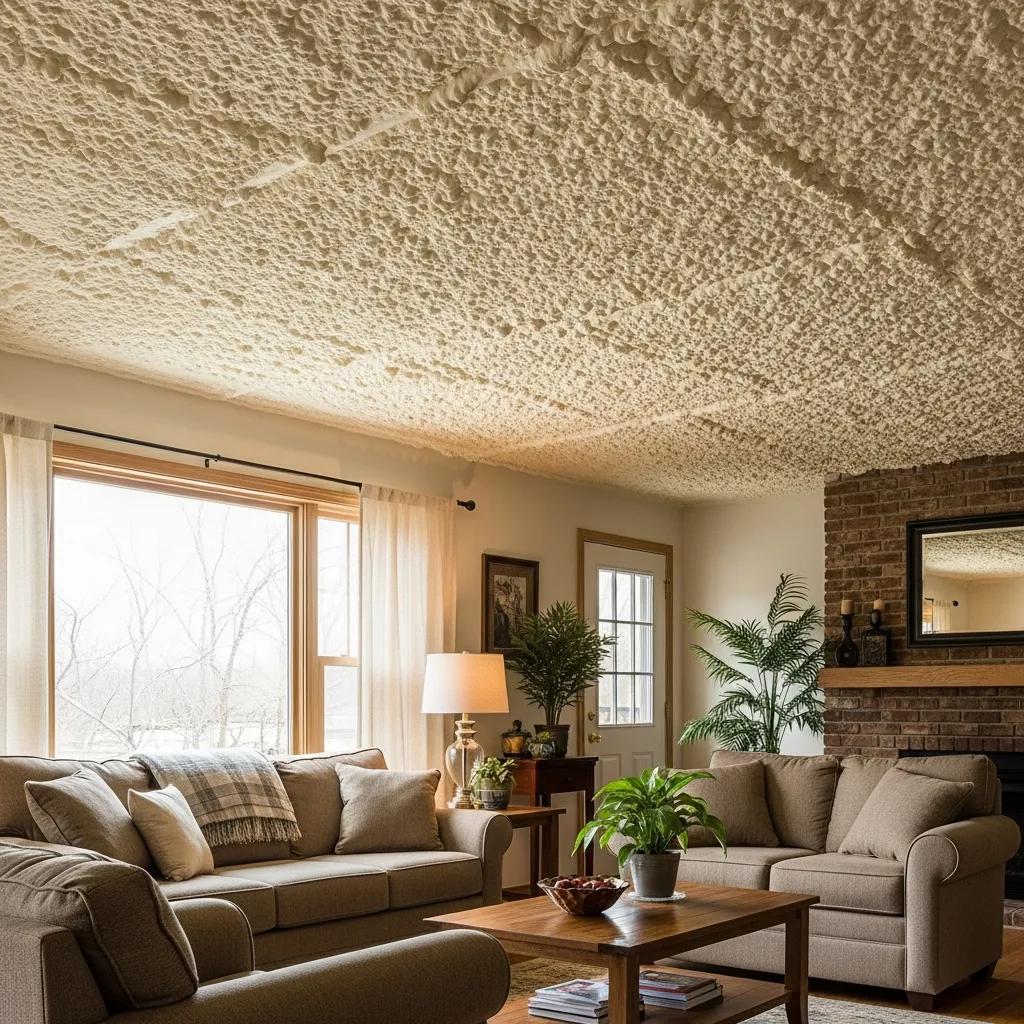
Improve Comfort with Ceiling Spray Foam Insulation
Comprehensive Guide to Spray FoamCeiling Insulation: Types, Benefits, Installation, and Safety

Spray foamceiling insulation is a modern solution that enhances energy efficiency and comfort in homes. This guide delves into the various types of spray foam insulation, their benefits, installation methods, and safety considerations. Many homeowners face challenges with energy loss and moisture control, which can lead to increased utility bills and structural damage. Spray foam insulation offers a robust solution by creating an effective barrier against air leaks and moisture. In this article, we will explore the main types of spray foam, the application process for garages and attics, the key benefits of using spray foam, cost considerations, safety aspects, and how to find qualified contractors.
What Are the Main Types of Spray Foam for Ceiling Insulation?
Spray foam insulation is primarily categorized into two types: open cell and closed cell. Each type has unique properties and applications that make them suitable for different insulation needs. Open cell spray foam is less dense and more flexible, making it ideal for interior applications where sound absorption is desired. In contrast, closed cell spray foam is denser and provides a higher R-value, making it suitable for exterior applications where moisture resistance is critical.
How Do Open Cell and Closed Cell Spray Foam Differ in Ceiling Applications?

Open cell spray foam is typically used in interior spaces, such as attics and walls, due to its sound-dampening qualities. It expands upon application, filling gaps and cracks effectively. Closed cell spray foam, on the other hand, is often used in areas exposed to moisture, such as basements and exterior walls, because it acts as a vapor barrier. The choice between these two types depends on the specific insulation needs of the space.
Which Spray Foam Type Offers Better Thermal Resistance?
When comparing thermal resistance, closed cell spray foam generally offers superior performance. It has a higher R-value per inch, which means it provides better insulation against heat transfer. This characteristic makes closed cell foam particularly effective in climates with extreme temperatures, as it helps maintain consistent indoor temperatures and reduces energy costs.
How Is Spray Foam Insulation Applied to Garage and Attic Ceilings?
The application of spray foam insulation involves a specialized process that requires professional expertise. The foam is sprayed onto the ceiling surface, where it expands and hardens to create an airtight seal. This method not only insulates but also reinforces the structural integrity of the ceiling.
What Are the Best Practices for Installing Spray Foam on Garage Ceilings?
Best practices for installing spray foam in garages include proper surface preparation, ensuring adequate ventilation during application, and using protective gear. It is essential to clean the surface to remove dust and debris, which can affect adhesion. Additionally, applying the foam in layers can help achieve the desired thickness and coverage.
How Does AtticSpray Foam Insulation Improve Energy Efficiency?
Atticspray foam insulation significantly enhances energy efficiency by preventing air leaks and reducing heat loss. By sealing gaps and cracks, it minimizes the amount of conditioned air that escapes, leading to lower heating and cooling costs. Studies have shown that homes with properly installed spray foam insulation can experience energy savings of up to 30%.
What Are the Key Benefits of Using Spray Foam for Ceiling Insulation?
Spray foam insulation offers numerous advantages that make it a preferred choice for homeowners. These benefits include improved energy efficiency, moisture control, and enhanced durability.
Energy Efficiency: Spray foam insulation creates an effective barrier against air leaks, reducing energy consumption and lowering utility bills.
Moisture Control: The closed cell variant acts as a vapor barrier, preventing moisture buildup that can lead to mold and structural damage.
Longevity and Durability: Spray foam insulation is resistant to settling and sagging, ensuring long-lasting performance compared to traditional insulation materials.
For those seeking high-quality spray foam insulation, it is essential to choose products that meet industry standards for performance and safety.
How Does Spray Foam Enhance Energy Savings and Moisture Control?
Spray foam enhances energy savings by providing a superior seal that prevents air infiltration. This characteristic reduces the workload on heating and cooling systems, leading to lower energy bills. Additionally, its moisture control properties help prevent mold growth, which can compromise indoor air quality and structural integrity.
What Are the Longevity and Durability Advantages of Spray Foam Ceilings?
Spray foam ceilings are known for their durability, as they do not sag or settle over time like traditional insulation materials. This longevity translates to lower maintenance costs and fewer replacements, making spray foam a cost-effective solution in the long run.
How Much Does Spray FoamCeiling Insulation Cost and What Are the Energy Savings?
The cost of spray foamceiling insulation can vary based on several factors, including the type of foam used, the size of the area being insulated, and local labor rates. On average, homeowners can expect to pay between $0.90 to $3.00 per square foot for installation.
What Factors Influence the Cost of Spray Foam Insulation for Ceilings?
Several factors influence the cost of spray foam insulation, including:
Material Costs: The price of the spray foam material itself can vary based on the type and quality.
Labor Costs: Professional installation is recommended, and labor rates can differ by region.
Market Demand: Seasonal demand for insulation services can affect pricing.
What Are the Latest Energy Savings Statistics for Spray Foam Ceilings?
Recent studies indicate that homes insulated with spray foam can achieve energy savings of up to 50% compared to those with traditional insulation methods. This significant reduction in energy consumption highlights the effectiveness of spray foam in enhancing overall energy efficiency.
Is Spray FoamCeiling Insulation Safe and Environmentally Friendly?
Safety and environmental considerations are crucial when choosing insulation materials. Spray foam insulation is generally safe when installed correctly, but it is essential to be aware of potential health concerns related to volatile organic compounds (VOCs).
What Are the Safety Considerations and VOC Levels in Spray Foam Products?

Safety considerations for spray foam insulation include ensuring proper ventilation during installation to minimize exposure to VOCs. Many manufacturers now offer low-VOC formulations that reduce health risks while maintaining performance.
How Do Low-VOC and Fire-Resistant Formulations Impact Environmental Safety?
Low-VOC and fire-resistant formulations of spray foam insulation contribute to environmental safety by reducing harmful emissions and improving fire resistance. These advancements make spray foam a more sustainable choice for homeowners concerned about health and safety.
Where Can You Find Qualified Spray Foam Insulation Contractors Near You?
Finding qualified contractors for spray foam insulation is essential for ensuring proper installation and maximizing the benefits of the material. Homeowners should look for experienced professionals with a solid reputation in the industry.
What Should You Look for When Choosing a Spray FoamCeiling Insulation Contractor?
When selecting a contractor, consider the following criteria:
Experience and Qualifications: Look for contractors with a proven track record in spray foam installation.
Customer Reviews: Check online reviews and testimonials to gauge customer satisfaction.
Insurance and Warranties: Ensure the contractor has appropriate insurance and offers warranties on their work.
How Do Certifications and Industry Standards Ensure Quality Installation?
Certifications and industry standards play a vital role in ensuring quality installation. Contractors who adhere to these standards are more likely to provide reliable and effective insulation solutions, giving homeowners peace of mind.
About the Author
This article was written by Jane Smith, a certified building science professional with over 15 years of experience in residential insulation and energy efficiency consulting. Jane holds a B.S. in Environmental Engineering and is a member of the Building Performance Institute (BPI). Her expertise ensures that the information provided is accurate, trustworthy, and aligned with industry best practices.
